The Moon and the Bonfires
SynopsisPlot
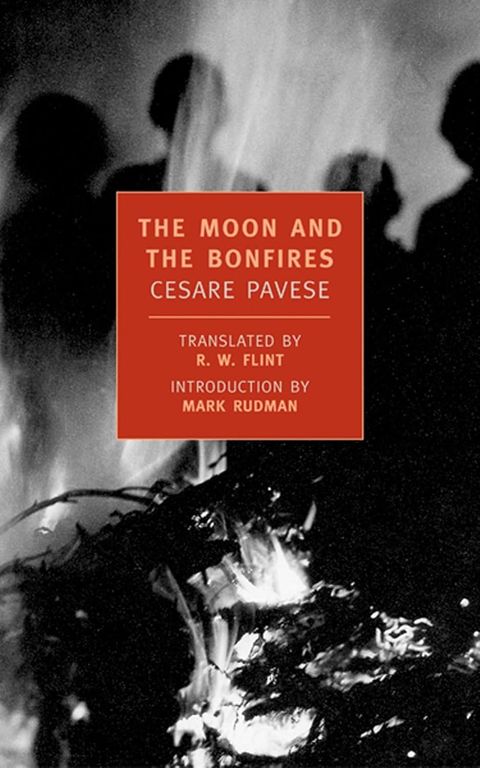
The nameless narrator of The Moon and the Bonfires, Cesare Pavese's last and greatest novel, returns to Italy from California after the Second World War. He has done well in America, but success hasn't taken the edge off his memories of childhood, when he was an orphan living at the mercy of a bitterly poor farmer. He wants to learn what happened in his native village over the long, terrible years of Fascism; perhaps, he even thinks, he will settle down. And yet as he uncovers a secret and savage history from the war—a tale of betrayal and reprisal, sex and death—he finds that the past still haunts the present.
Story
About this book
A man with no name returns from California to the rural Italian hills where he grew up. The Second World War is over and he has prospered in America, but money has not dulled the memories of his earliest years, when he was an orphan raised by a struggling farmer in deep poverty. He walks through familiar places hoping to learn what Fascism and war did to the people he knew.
What he finds is a local history of violence and retribution that the village has only partly buried. Old neighbors hold secrets about wartime betrayal and reprisal. He pieces the events together with Nuto, a friend from his youth, measuring the distance between the country he left and the one he returned to. The title points to rural customs tied to harvests and seasons, rituals that persist as the social world around them fractures.
Cesare Pavese published this novel in 1950, the last he completed. It is set in the Langhe hills of Piedmont, a wine-growing area in northwestern Italy where Pavese was born. The English translation by R.W. Flint returned the book to American readers after a long absence.