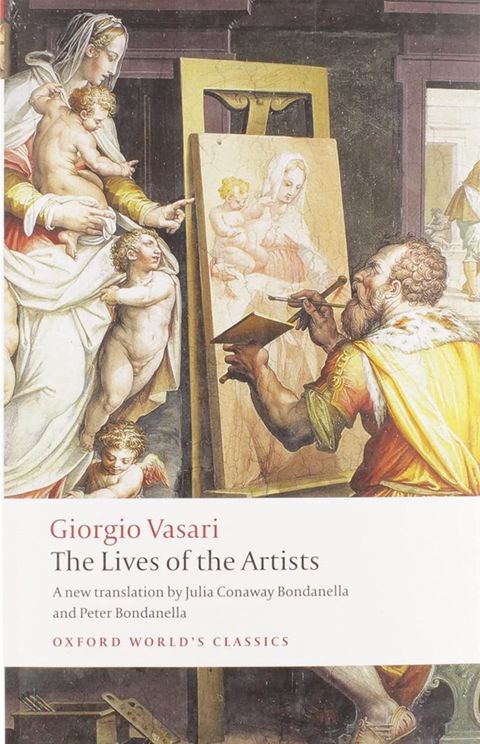
The Lives of the Artists
SynopsisPlot
Vasari, who invented the term "Renaissance," was the first to outline the influential theory of Renaissance art that traces a progression through Giotto, Brunelleschi, and finally the titanic figures of Michaelangelo, Da Vinci, and Raphael.
Story
About this book
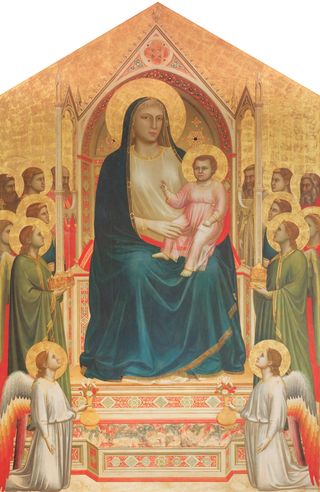
Giorgio Vasari published his collection of artist biographies in Florence in 1550, with an expanded edition following in 1568. The book covers painters, sculptors, and architects working in Italy from the late 1200s onward, organized around a central argument: that the arts declined after the Roman period and were gradually revived over several centuries. Vasari structured this revival as a three-stage progression, beginning with Giotto, advancing through Brunelleschi and other fifteenth-century figures, and reaching its peak with Leonardo da Vinci, Michelangelo, and Raphael.
Vasari was himself a working painter and architect in the service of the Medici family, which gave him direct access to studios, patrons, and surviving relatives of the artists he wrote about. His accounts mix technical observations about fresco, tempera, and marble with anecdotes about personality, rivalry, and working habits. Some of these stories have been questioned by later scholars, but many details remain the earliest written record available for figures whose own papers did not survive.
The book is also credited with popularizing the Italian word rinascita, meaning rebirth, a term that eventually became the basis for the English word Renaissance. Vasari applied it to describe what he saw as the recovery of classical skill and ambition in Italian art.