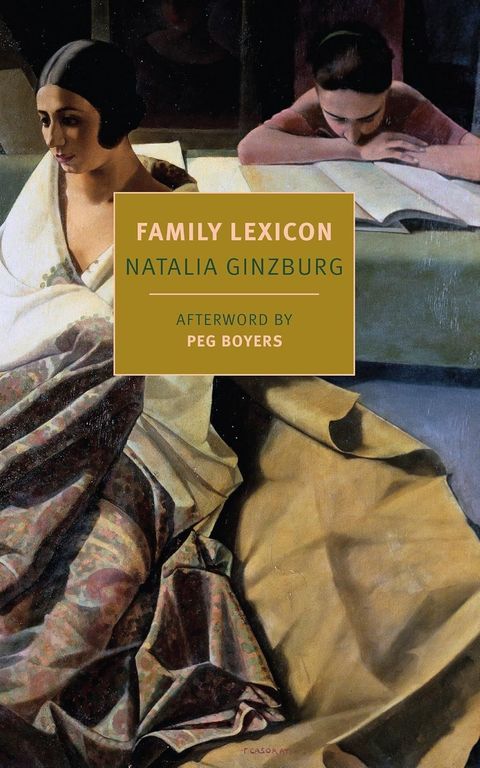
Family Lexicon
SynopsisPlot
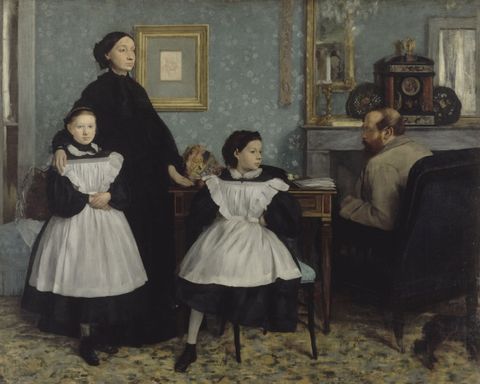
An Italian family, sizable, with its routines and rituals, crazes, pet phrases, and stories, doubtful, comical, indispensable, comes to life in the pages of Natalia Ginzburg’s Family Lexicon. Giuseppe Levi, the father, is a scientist, consumed by his work and a mania for hiking—when he isn’t provoked into angry remonstration by someone misspeaking or misbehaving or wearing the wrong thing. Giuseppe is Jewish, married to Lidia, a Catholic, though neither is religious; they live in the industrial city of Turin where, as the years pass, their children find ways of their own to medicine, marriage, literature, politics. It is all very ordinary, except that the background to the story is Mussolini’s Italy in its steady downward descent to race law and world war. The Levis are, among other things, unshakeable anti-fascists. That will complicate their lives.
Story
About this book
Family Lexicon follows the Levi family through several decades in Turin, beginning under Mussolini's rise and continuing through the Second World War and its aftermath. Giuseppe Levi, the father, is a scientist with a passion for mountain hiking and a short temper for anyone who speaks carelessly, dresses badly, or falls short of his standards. His wife Lidia is Catholic, Giuseppe is Jewish, and neither is observant. Their children find separate paths into medicine, literature, politics, and marriage.
Natalia Ginzburg, one of those children, built the book around the phrases, habits, and repeated stories that held the household together. In her opening note she stated that the people and events are real and that she destroyed whatever she caught herself inventing. The Levis were firm anti-fascists, a position that grew more dangerous as Italy moved toward racial laws and war. Her first husband joined the resistance and was killed by the Nazis.
The structure relies less on conventional plot than on the accumulation of small domestic details, pet expressions, and household routines. Turin appears as an industrial city where ordinary family life continued alongside a widening political crisis, recorded largely through the private vocabulary the Levis used among themselves.