In the Name of the Father (And of the Son)
SynopsisPlot
Back from his fathers funeral, the narrator starts reading a diary his father kept during his days as a soldier during the Second World War. The diary is very scant, almost impersonal, but it is exactly this impersonality which pushes the narrator to re-examine the personal relationship he had with his father. The father, who the son knew only as a cripple after he had been injured in a motorcycle accident, had always tried to convince those around him that he was tough enough to withstand all hardship, and had tried to bring up his son in his mould. The narrator revisits his fathers past, as well as his own, to look for cracks in this façade, to find signs of weakness and displays of emotion. This turns out to be an opportunity to also look back at his own upbringing and especially at the way he had been educated to become a man. Episodes from the past are recalled and examined for any light they can shed on the matter.
Story
About this book
After returning from his father's funeral, the narrator opens a diary his father kept as a soldier during the Second World War. The entries are sparse and almost impersonal, recording days with little emotion. That restraint unsettles the son and sends him back through decades of memory, searching for moments when his father's carefully maintained toughness might have cracked.
The father the narrator knew was not the young soldier of the diary but a man left disabled by a motorcycle accident. He insisted on presenting himself as strong enough to bear any hardship, and he raised his son by the same standard. The book moves between wartime fragments and domestic scenes, tracing how ideas about manhood pass from one generation to the next.
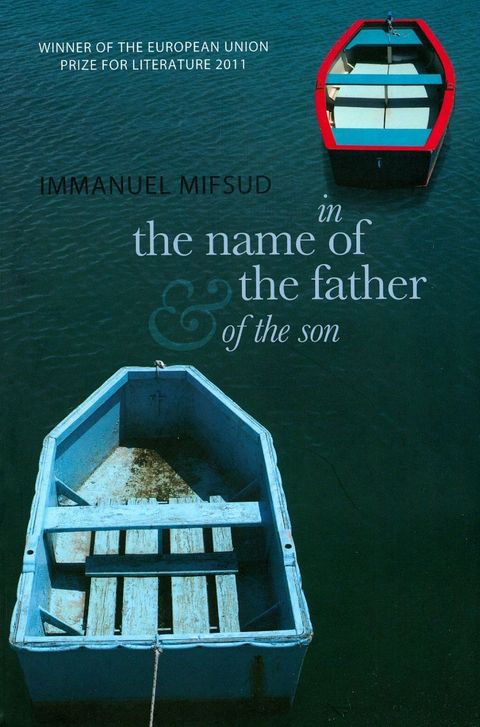
Revisiting episodes from his own childhood and upbringing, the narrator examines how he was taught to become a man, and looks for the signs of feeling his father worked to conceal. Immanuel Mifsud received the 2011 European Union Prize for Literature for this book, the first time the award went to a Maltese writer.