The Great Siege, Malta 1565
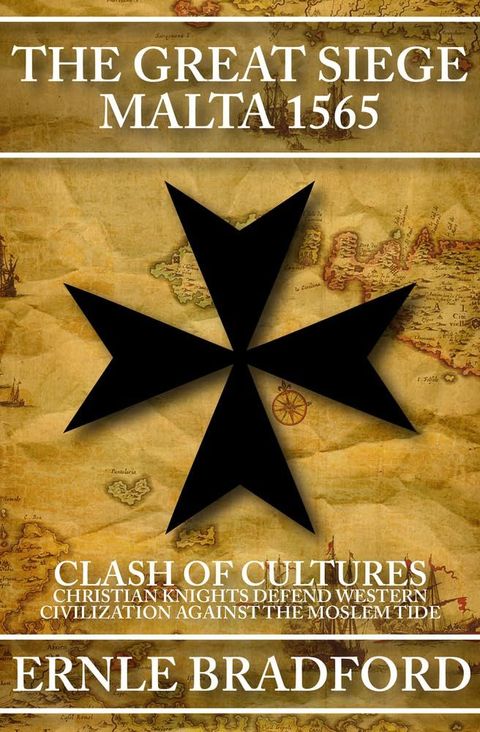
SynopsisPlot
In the first half of the sixteenth century, the Ottoman Empire was thought to be invincible. Suleiman the Magnificent, the Ottoman sultan, had expanded his empire from western Asia to southeastern Europe and North Africa. To secure control of the Mediterranean between these territories and launch an offensive into western Europe, Suleiman needed the small but strategically crucial island of Malta. But Suleiman’s attempt to take the island from the Holy Roman Empire’s Knights of St. John would emerge as one of the most famous and brutal military defeats in history.
Story
About this book
By the middle of the sixteenth century, the Ottoman Empire under Sultan Suleiman the Magnificent reached from western Asia through southeastern Europe and into North Africa. Linking those territories, and opening a path toward western Europe, meant controlling the central Mediterranean. The small island of Malta, lying between Sicily and the North African coast, sat directly across that route.
Malta was held by the Knights of St. John, a military religious order that had received the island from the Holy Roman Emperor Charles V in 1530. In 1565 a large Ottoman fleet and army arrived. Ernle Bradford reconstructs the months that followed in close detail, tracing bombardment, assault, and defence across the island's harbours and a chain of small stone forts.
The fighting ran from May to September, with tens of thousands of Ottoman troops facing outnumbered knights and Maltese defenders. Bradford works through the strategies of both sides, the supply problems, the terrain, and the human cost, and sets the siege inside the longer sixteenth-century contest between Ottoman and Christian powers for command of Mediterranean sea routes and the trade and troop movements they carried.