Alamut
SynopsisPlot
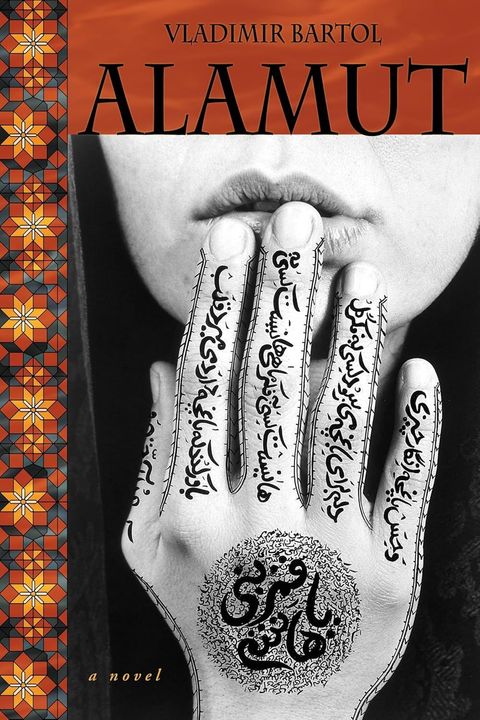
Alamut takes place in 11th Century Persia, in the fortress of Alamut, where self-proclaimed prophet Hasan ibn Sabbah is setting up his mad but brilliant plan to rule the region with a handful of elite fighters who are to become his "living daggers." By creating a virtual paradise at Alamut, filled with beautiful women, lush gardens, wine and hashish, Sabbah is able to convince his young fighters that they can reach paradise if they follow his commands. With parallels to Osama bin Laden, Alamut tells the story of how Sabbah was able to instill fear into the ruling class by creating a small army of devotees who were willing to kill, and be killed, in order to achieve paradise.
Story
About this book
Alamut is set in 11th-century Persia, inside and around the mountain fortress of Alamut. The novel follows Hasan ibn Sabbah, a historical figure who founded the Nizari Ismaili order, as he builds a system of control over a small group of young fighters he calls his living daggers. Sabbah constructs an enclosed garden within the fortress, complete with women, wine, hashish, and careful stagecraft, to convince his recruits that they have glimpsed paradise. Their belief that obedience will return them there makes them willing to carry out any command, including assassination.
Bartol, a Slovenian writer, originally published the novel in 1938. The book was written partly as an allegory of Mussolini's fascist state, exploring how a charismatic leader can manufacture faith and loyalty through spectacle, secrecy, and deliberate deception. The story examines the machinery of devotion: how ordinary people can be shaped into instruments of political violence when they are isolated, rewarded, and given a cause they consider sacred.
The fortress of Alamut was a real stronghold in the Alborz Mountains of present-day Iran. Bartol used this distant historical setting to comment on the authoritarian politics of his own time, and the novel gained renewed international attention after 2001 when readers noticed parallels to contemporary events.