Reading Lolita in Tehran
SynopsisPlot
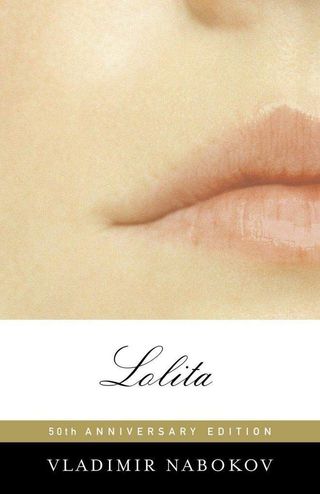
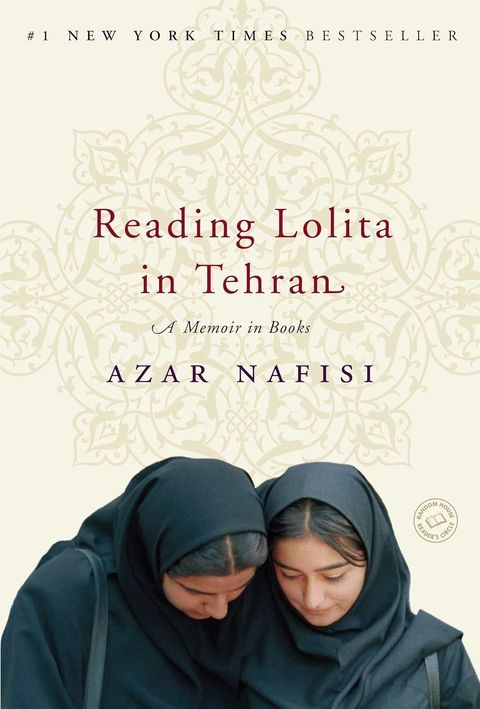
For two years before she left Iran in 1997, Nafisi gathered seven young women at her house every Thursday morning to read and discuss forbidden works of Western literature. They were all former students whom she had taught at university. Some came from conservative and religious families, others were progressive and secular; several had spent time in jail. They were shy and uncomfortable at first, unaccustomed to being asked to speak their minds, but soon they began to open up and to speak more freely, not only about the novels they were reading but also about themselves, their dreams and disappointments. Their stories intertwined with those they were reading—Pride and Prejudice, Washington Square, Daisy Miller and Lolita—their Lolita, as they imagined her in Tehran.
Story
About this book
In the mid-1990s, as Iran's Islamic Republic tightened its grip on universities and public life, literature professor Azar Nafisi began holding a private weekly class in her Tehran home. Every Thursday morning for two years, seven of her former female students gathered to read Western novels that were officially forbidden. The group included women from both religious and secular backgrounds; some had been imprisoned. At first they were hesitant to voice their own thoughts, but the sessions gradually became a space where they spoke openly about the books and about their own lives.
The novels they studied included works by Jane Austen, Henry James, Vladimir Nabokov, and F. Scott Fitzgerald. Nafisi's memoir traces how these fictional worlds intersected with the women's daily reality in Tehran during the Iran-Iraq war era and its aftermath. Scenes from Pride and Prejudice, Washington Square, Daisy Miller, and Lolita took on unexpected meanings when read against a backdrop of morality patrols, censorship, and restricted personal freedoms.
Nafisi left Iran in 1997, and the book draws on her experiences across more than a decade of teaching there. It is structured around the four authors the group read, each section pairing the literary material with episodes from the women's circumstances and from the political changes unfolding around them.