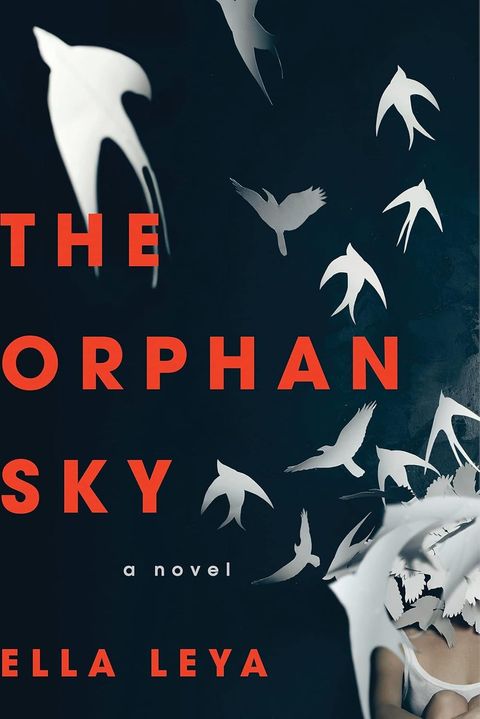
The Orphan Sky
SynopsisPlot
Leila is a young classical pianist who dreams of winning international competitions and bringing awards to her beloved country Azerbaijan. She is also a proud daughter of the Communist Party. When she receives an assignment from her communist mentor to spy on a music shop suspected of traitorous Western influences, she does it eagerly, determined to prove her worth to the Party. But Leila didn't anticipate the complications of meeting Tahir, the rebellious painter who owns the music shop. His jazz recordings, abstract art, and subversive political opinions crack open the veneer of the world she's been living in. Just when she begins to fall in love with both the West and Tahir, her comrades force her to make an impossible choice.
Story
About this book
Leila is a young classical pianist in late 1970s Azerbaijan, a place shaped by the overlap of Turkish, Persian, and Russian traditions. She is also a loyal daughter of the Communist Party, eager to win international competitions and bring prestige to her country. When her Party mentor assigns her to watch a music shop suspected of spreading Western cultural influence, she accepts without hesitation.
The shop belongs to Tahir, a painter whose interests run counter to everything Leila has been taught to value. He listens to jazz, makes abstract art, and holds political views the state would consider dangerous. Through him, Leila encounters ideas and feelings that unsettle the certainties she grew up with. What begins as an assignment turns into something personal, and the distance between her public loyalty and her private life starts to narrow in ways she cannot easily control.
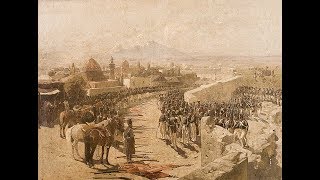
The novel is set in Baku during a period when Soviet authority still governed daily life in Azerbaijan, including what music could be performed and what art could be displayed. Leila's conflict sits at the point where political obedience and personal desire pull in opposite directions, with consequences that extend beyond her alone.