As Long as the Lemon Trees Grow
SynopsisPlot
Salama Kassab was a pharmacy student when the cries for freedom broke out in Syria. She still had her parents and her big brother; she still had her home. She had a normal teenager’s life. Now Salama volunteers at a hospital in Homs, helping the wounded who flood through the doors daily. Secretly, though, she is desperate to find a way out of her beloved country before her sister-in-law, Layla, gives birth. So desperate, that she has manifested a physical embodiment of her fear in the form of her imagined companion, Khawf, who haunts her every move in an effort to keep her safe.
Story
About this book
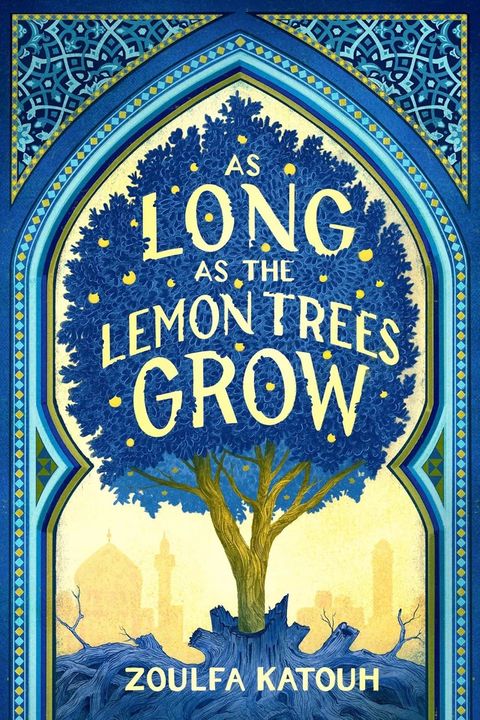
Salama Kassab is a pharmacy student in Homs, Syria, whose ordinary life falls apart when the Syrian Revolution begins. She loses her parents and brother, and now spends her days volunteering at a hospital overwhelmed with casualties. Her one remaining family tie is Layla, her pregnant sister-in-law, and Salama is determined to get them both out of the country before the baby arrives.
The pressure of survival and loss takes a specific form in the story. Salama's fear becomes a figure she can see and hear, an imagined companion called Khawf who follows her and urges her toward safety. This speculative element sits inside an otherwise grounded portrayal of life in a besieged city, where daily choices carry life-or-death weight. The tension between staying to help the wounded and leaving to protect Layla and her unborn child drives the narrative forward.
Zoulfa Katouh sets the novel in Homs during a period when the city was one of the hardest-hit areas of the conflict. The book treats the revolution and its consequences through the eyes of a young woman caught between duty to her community and responsibility to her family. Lemon trees appear throughout as a recurring symbol tied to Syrian identity and resilience.