The Shell: Memoirs of a Hidden Observer
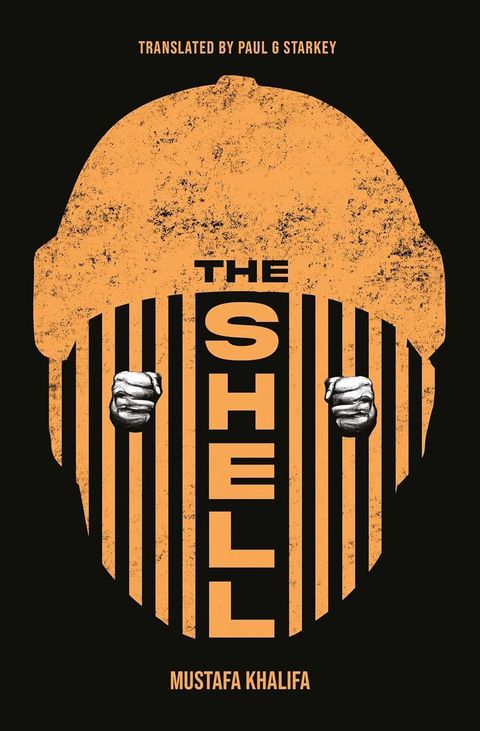
SynopsisPlot
This compelling first novel is the astonishing story of a Syrian political prisoner of conscience—an atheist mistaken for a radical Islamist—who was locked up for 13 years without trial in one of the most notorious prisons in the Middle East. The novel takes the form of a diary which Musa keeps in his head and then writes down upon his release. In Tadmur prison, the mood is naturally bleak and yet often very beautifully captured. The narrator, a young graduate, is defiant and stoical, and somehow able to pick out humor and irony in the shocking events and characters he describes.
Story
About this book
The Shell follows Musa, a young Syrian graduate who returns home from studying abroad only to be arrested and sent to Tadmur prison. He is an atheist, but the authorities classify him as a radical Islamist, and he is held for thirteen years without trial. The novel takes the form of a diary that Musa composes entirely in his memory during his imprisonment and commits to paper only after his release.
Tadmur, located near the ancient ruins of Palmyra in the Syrian desert, was one of the most feared detention facilities in the Middle East. Mustafa Khalifa sets his story inside this environment and records the daily realities of confinement, the relationships between prisoners, and the small absurdities that surface even under severe conditions. Musa is observant and dry in tone, finding moments of irony among events that are otherwise bleak and violent. The misidentification at the center of his case places him in a particularly strange position: isolated from fellow inmates whose beliefs he does not share, yet subjected to the same punishments.
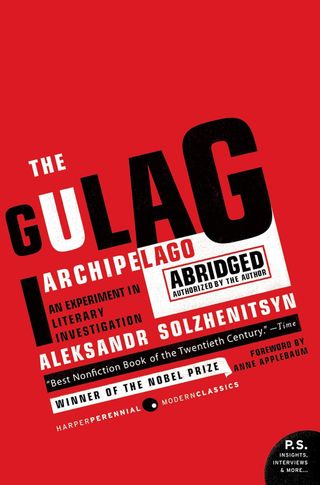
Khalifa, a Syrian writer and filmmaker, published the novel in Arabic in 2008. It has been compared to the work of Aleksandr Solzhenitsyn for its documentation of state detention and its attention to the psychological details of long-term imprisonment.