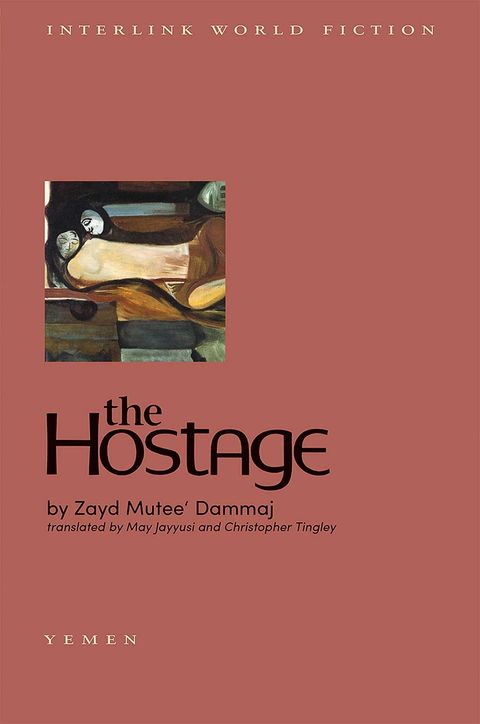
The Hostage
SynopsisPlot
Set in the pre-revolution Yemen of the Imams, this novel depicts the experiences of a young boy who, having been taken hostage, in line with the Imam’s general practice, as a pledge for his father’s political obedience, is sent to serve as a young male attendant in the palace of the city governor. The growth of the boy’s awareness, political, social, and personal, is movingly portrayed against a background of bygone times whose decadence and injustice are presented with vivid satiric force.
Story
About this book
In pre-revolution Yemen, the Imams maintained control over regional leaders through a practice of taking their children as hostages. If a father defied the central authority, his child could be punished in his place. Zayd Mutee' Dammaj's novel The Hostage follows a young boy seized under this system and sent to work as a servant in the palace of a provincial governor. The boy's confinement becomes the lens through which the story examines a society shaped by hierarchy, obedience, and coercion.
Inside the governor's household, the boy encounters the rituals and abuses of a ruling class in decline. He observes corruption, cruelty, and the small indignities that sustain an unequal order. As the story progresses, his understanding of his own position sharpens. He begins to see the political machinery behind his captivity and the broader injustices around him. Dammaj portrays these shifts in awareness with satirical precision, grounding them in specific scenes of palace life rather than abstract commentary.
The novel is set during the era of the Mutawakkilite Kingdom, the Imamate that governed northern Yemen until the 1962 revolution. Dammaj, himself Yemeni, draws on a period of his country's history that shaped its modern political landscape.