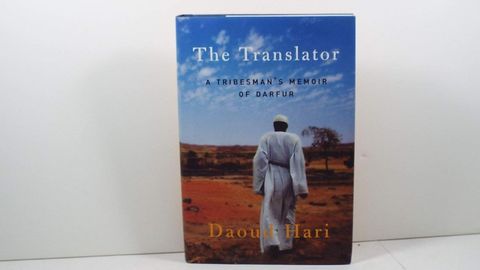
The Translator: A Tribesman's Memoir of Darfur
SynopsisPlot
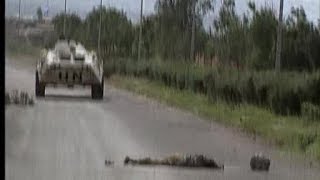
The young life of Daoud Hari–his friends call him David–has been one of bravery and mesmerizing adventure. He is a living witness to the brutal genocide under way in Darfur. Hari, a Zaghawa tribesman, grew up in a village in the Darfur region of Sudan. As a child he saw colorful weddings, raced his camels across the desert, and played games in the moonlight after his work was done. In 2003, this traditional life was shattered when helicopter gunships appeared over Darfur’s villages, followed by Sudanese-government-backed militia groups attacking on horseback, raping and murdering citizens and burning villages. Ancient hatreds and greed for natural resources had collided, and the conflagration spread.
Story
About this book
Daoud Hari grew up in the Darfur region of Sudan as a member of the Zaghawa people. His childhood included camel racing across the desert, village weddings, and evening games after the day's work. In 2003, that life was destroyed when Sudanese-government-backed militias and helicopter gunships began attacking villages across Darfur, burning homes and killing civilians. Hari's own village was among those destroyed, and his family was scattered.
Rather than take up arms, Hari used his knowledge of languages, learned in school, as a practical tool. He began working as a translator and guide for international journalists and aid workers who arrived in the region. This put him at serious personal risk: the Sudanese government had banned foreign reporters from operating in Darfur, and anyone caught helping them faced severe punishment. Despite this, Hari continued escorting outsiders into conflict zones so they could document what was happening on the ground.
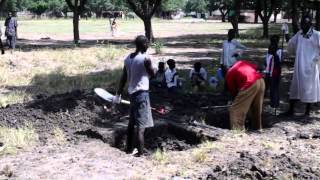
The memoir recounts both the texture of Hari's earlier life and the conditions he moved through during the crisis, including periods spent helping displaced survivors locate food, water, and safe passage. It also describes his eventual capture by government forces.