So Vast the Prison
SynopsisPlot
So Vast the Prison is the double-threaded story of a modern, educated Algerian woman existing in a man's society, and, not surprisingly, living a life of contradictions. Djebar, too, tackles cross-cultural issues just by writing in French of an Arab society (the actual act of writing contrasting with the strong oral traditions of the indigenous culture), as a woman who has seen a revolution in a now post-colonial country, and as an Algerian living in exile.
Story
About this book
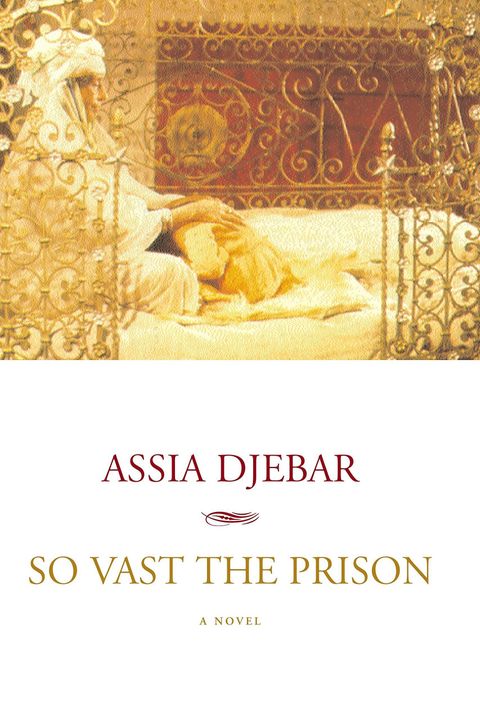
So Vast the Prison by Assia Djebar is a semi-autobiographical novel set in Algeria, built around the life of a modern, educated woman navigating a society shaped by male authority. The book unfolds across several distinct sections, moving between personal experience and broader historical ground. One thread follows the narrator through love, marriage, and the constraints placed on women in both domestic and public life. Another turns to ancient history, tracing the decipherment of an old Berber inscription found at Dougga, connecting language and identity across centuries.
Djebar wrote in French about an Arab and Berber society, and this choice of language is itself a tension running through the novel. Writing in the colonizer's language while drawing on the oral traditions of indigenous culture places the narrator between worlds. The book also reflects on Algeria's post-colonial condition and on what exile means for someone whose ties to home remain strong but complicated.
The structure moves freely between memoir, historical investigation, and reflection on filmmaking and storytelling. Djebar uses these shifts to examine how women's voices persist or disappear within cultures that have favored oral transmission over written record.