Nedjma
SynopsisPlot
Its intricate plot involves four men in love with a beautiful woman whose name serves as the title of the novel. Nedjma is the central figure of this disorienting novel, but more than the unfortunate wife of a man she does not love, more than the unwilling cause of rivalry among many suitors, Nedjma is the symbol of Algeria. Kateb has crafted a novel that is the saga of the founding ancestors of Algeria through the conquest of Numidia by the Romans, the expansion of the Ottoman Empire, and the French colonial conquest. Nedjma is symbolic of the rich and sometimes bloody past of Algeria, of its passions, of its tenderness; it is the epic story of a human quest for freedom and happiness.
Story
About this book
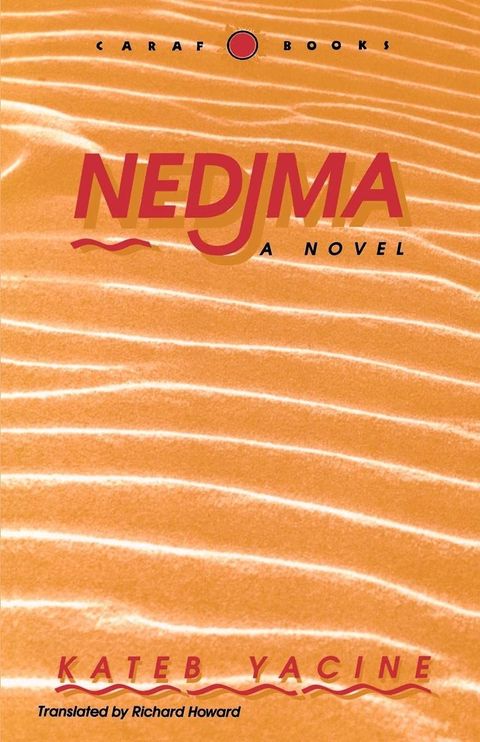
Nedjma, by Kateb Yacine, follows four young men whose lives circle around a single woman. The narrative is deliberately fragmented, moving between voices, time periods, and viewpoints in ways that resist straightforward reading. Nedjma is married to a man she does not love and pursued by several suitors, yet she also stands as a figure for Algeria itself. Her presence pulls the book between personal desire and collective memory.
The story reaches back across centuries, from the Roman conquest of Numidia through Ottoman expansion to French colonial rule. Kateb ties these layers to the tangled kinship and rivalry among his characters, linking private struggle to longer patterns of conquest and resistance. The novel first appeared in French in 1956, during the early years of the Algerian war of independence.
Rather than one ordered plot, the book offers repetitions, returns, and shifting narrators, a form closer to spoken storytelling than to conventional realist fiction. Its subjects include ancestry, land, violence, tenderness, and the search for freedom and happiness, all gathered around the woman whose name gives the novel its title.