The Art of Losing
SynopsisPlot
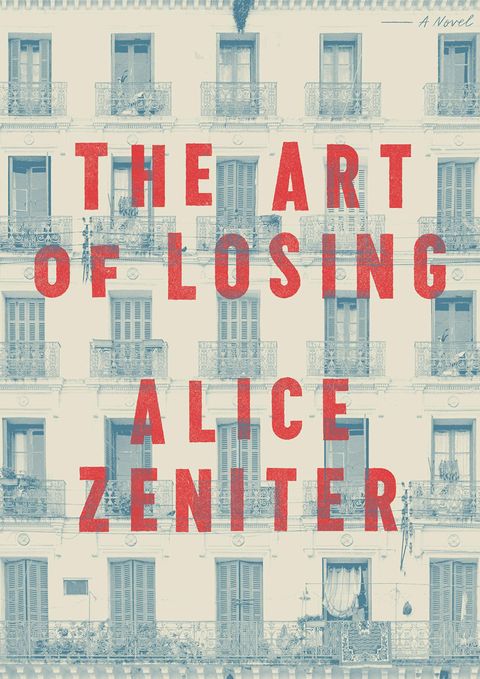
Across three generations, three wars, two continents, and the mythic waters of the Mediterranean, one family’s history lead to an inevitable question: What price do our descendants pay for the choices that we make? Naïma knows Algeria only by the artifacts she encounters in her grandparents’ tiny apartment in Normandy: the language her grandmother speaks but Naïma can’t understand, the food her grandmother cooks, and the precious things her grandmother carried when they fled. Naïma’s father claims to remember nothing; he has made himself French. Her grandfather died before he could tell her his side of the story. But now Naïma will travel to Algeria to see for herself what was left behind―including their secrets.
Story
About this book
Naïma grows up in Normandy with only fragments of Algeria: dishes her grandmother prepares, a language Naïma cannot follow, and a handful of objects carried out during a hasty departure. Her grandfather is dead. Her father, who has built a thoroughly French life, says he remembers nothing of the country the family left behind. The novel follows three generations of one family whose path from Algeria to France was shaped by war, displacement, and the pressure to belong somewhere new.
Alice Zeniter structures the story around the silences that collect inside a family when the past is painful and politically charged. The first generation lived through the Algerian War of Independence in the early 1960s and the upheaval that followed. The second generation, including Naïma's father, chose erasure as a survival strategy. Naïma, born in France with no personal memory of Algeria, eventually travels there to confront what her relatives left behind and what they chose not to pass on.
The book spans roughly seventy years and moves between both shores of the Mediterranean. Its central tension sits in the gap between inherited identity and lived experience, and in the cost of secrets kept across decades.