Last Chapter
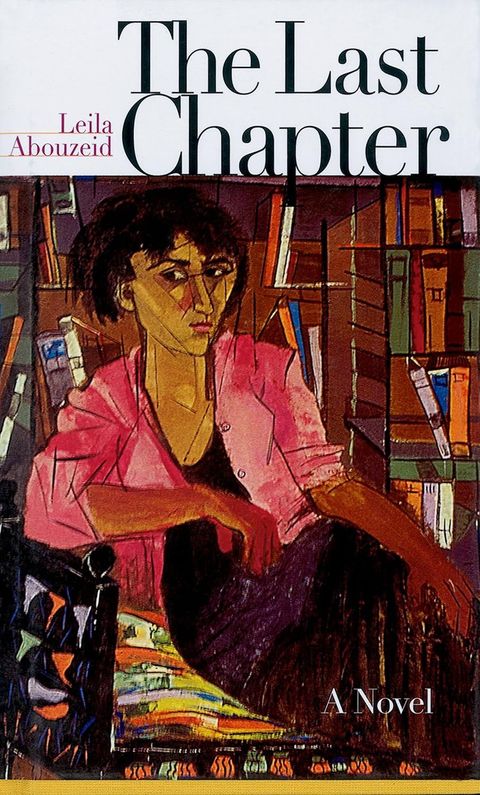
SynopsisPlot
Charting Aisha's path through adolescence and young adulthood up to the present, her story is told through a series of flashbacks, anecdotes, and glimpses of the past, all bound up with a strong, often strident, always compelling worldview that takes in Morocco, its politics, people, and traditions, Islam, and marriage. Male female relationships feature strongly in the narrative, and by exposing us to Aisha's troubled romantic encounters, Abouzeid uncovers the shifting male/female roles within the Morocco of her lifetime. Many aspects of Moroccan society are also explored through the other clashes of the modern and the traditional in Aisha's life. The workplace and corruption, the struggle for women's rights, the clash between Islamic and Western values as well as with the older practices of sorcery and witchcraft, and the conflict between colonial and native language use are all intertwined in a narrative that is both forceful and often poetic.
Story
About this book
Last Chapter is a semi-autobiographical novel by Leila Abouzeid, following a young Moroccan woman named Aisha from adolescence into adulthood in the second half of the twentieth century. Rather than a straight timeline, the story arrives in flashbacks and remembered episodes, assembling a life shaped by changing expectations. Her romantic relationships form a central thread, and through them Abouzeid traces how roles between men and women in Morocco shifted across her lifetime.
Aisha's life touches several tensions in Moroccan society during those decades. Corruption in the workplace, the campaign for women's rights, and friction between Islamic and Western values all appear. Older practices of sorcery and witchcraft sit alongside modern institutions, and language itself becomes contested: Arabic or the French inherited from colonial rule. These clashes reach into everyday choices about work, family, and marriage.
Abouzeid wrote in Arabic and is among the Moroccan writers whose work has been translated into English. Fiction and memoir overlap throughout. The book keeps close to specific social and political detail rather than general statements, and its account of marriage, family obligation, and public life is drawn from the same period the author lived through.