For Bread Alone
SynopsisPlot
For Bread Alone (Al-Khubz al-Hafi) by Mohamed Choukri is a raw and uncompromising memoir that follows the author's childhood and adolescence in mid-20th century Morocco. Born into poverty in the Rif Mountains, he navigates extreme deprivation, violence, and survival on the streets of Tangier through begging, theft, and exploitation. The narrative chronicles his pivotal decision in his early twenties to learn literacy—a turning point that transforms him into a writer and educator. Told with stark, unadorned language, the book offers a vivid portrait of marginalized life and personal resilience.
Story
About this book
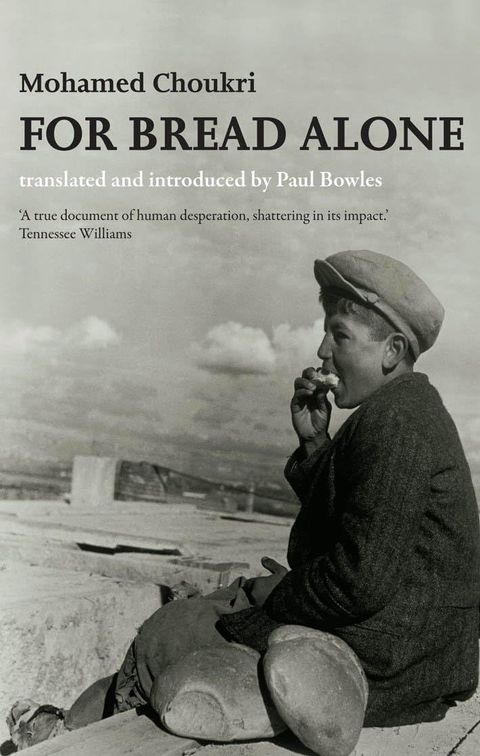
For Bread Alone is a memoir by Mohamed Choukri, originally written in Arabic under the title Al-Khubz al-Hafi. It covers the author's childhood and youth in mid-twentieth-century Morocco, beginning with his family's origins in the Rif Mountains and following his drift into the streets of Tangier. Choukri grew up in severe poverty, and the book describes the hunger, violence, and exploitation he encountered from an early age. He survived through begging, petty theft, and whatever work he could find, and the memoir presents these experiences in plain, direct language without sentiment or softening.
A central turning point in the narrative arrives when Choukri, already in his early twenties, decides to learn to read and write. Until that point he had been illiterate, and acquiring literacy opened a path toward becoming a writer and teacher. The book traces how that single decision reshaped his life, though it does not frame the change as simple or sudden.
The memoir was controversial when it first appeared. Its frank treatment of poverty, abuse, and street life in Morocco broke with the conventions of Arabic autobiography at the time. Choukri's spare prose style carries much of the book's force, keeping the focus on concrete detail rather than reflection or explanation.