Horses of God
SynopsisPlot
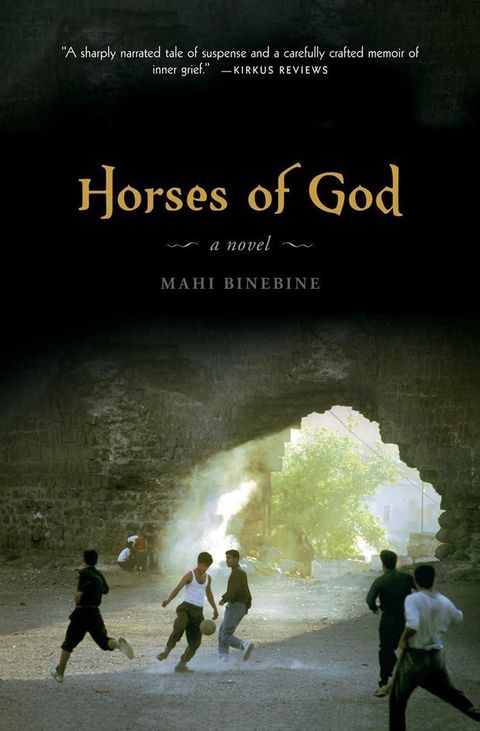
On May 16, 2003, fourteen suicide bombers launched a series of attacks throughout Casablanca. It was the deadliest attack in Morocco’s history. The bombers came from the shantytowns of Sidi Moumen, a poor suburb on the edge of a dump whose impoverished residents rarely if ever set foot in the cosmopolitan city at their doorstep. Mahi Binebine’s novel Horses of God follows four childhood friends growing up in Sidi Moumen as they make the life-changing decisions that will lead them to become Islamist martyrs. The seeds of fundamentalist martyrdom are sown in the dirt-poor lives of Yachine, Nabil, Fuad, and Ali, all raised in Sidi Moumen. The boys’ soccer team, The Stars of Sidi Moumen, is their main escape from the poverty, violence, and absence of hope that pervade their lives. When Yachine’s older brother Hamid falls under the spell of fundamentalist leader Abu Zoubeir, the attraction of a religion that offers discipline, purpose, and guidance to young men who have none of these things becomes too seductive to ignore. Narrated by Yachine from the afterlife, Horses of God portrays the sweet innocence of childhood and friendship as well as the challenges facing those with few opportunities for a better life.
Story
About this book
Horses of God is a novel by Mahi Binebine, inspired by the suicide bombings of May 16, 2003 in Casablanca, the deadliest attack in Morocco's history. The bombers came from Sidi Moumen, a shantytown on the edge of the city, built beside a garbage dump. The novel follows four boys from that neighbourhood: Yachine, Nabil, Fuad and Ali. Their main escape is a football team they call the Stars of Sidi Moumen.
Yachine narrates from beyond death, recalling grim conditions alongside real moments of childhood happiness in the place he still calls home. The turning point arrives when his older brother Hamid starts attending religious meetings led by Abu Zoubeir, whose message offers discipline, purpose and guidance to young men with little of any. Week by week, the players are drawn into his circle.
Binebine, a Moroccan writer and painter, keeps the focus on distance: Sidi Moumen lies at the doorstep of a cosmopolitan city its residents seldom entered. Poverty, unemployment and violence shape the boys' daily lives, while football, brotherhood and the promise of belonging pull them in different directions. The narration stays with the friends rather than with the attack itself.