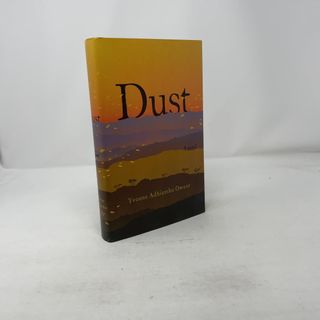
Gold Dust
SynopsisPlot
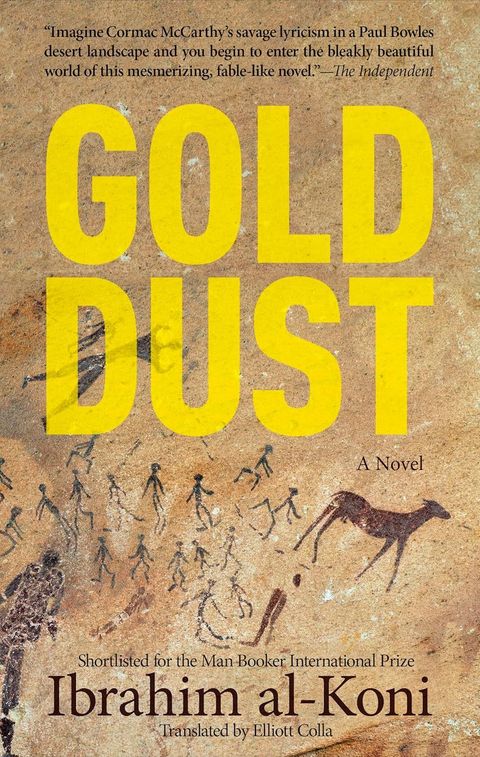
Rejected by his tribe and hunted by the kin of the man he killed, Ukhayyad and his thoroughbred camel flee across the desolate Tuareg deserts of the Libyan Sahara. Between bloody wars against the Italians in the north and famine raging in the south, Ukhayyad rides for the remote rock caves of Jebel Hasawna. There, he says farewell to the mount who has been his companion through thirst, disease, lust, and loneliness. Alone in the desert, haunted by the prophetic cave paintings of ancient hunting scenes and the cries of jinn in the night, Ukhayyad awaits the arrival of his pursuers and their insatiable hunger for blood and gold.
Story
About this book
Ukhayyad is a man cast out. After killing a member of his own community, he becomes a fugitive among the Tuareg people of the Libyan Sahara, pursued by those seeking vengeance. His only remaining bond is with his purebred camel, a companion whose endurance matches his own. Together they cross a landscape pressed between two disasters: Italian military campaigns in the north and famine spreading from the south.
Their destination is Jebel Hasawna, a remote range of rock caves deep in the desert. There, Ukhayyad must part with the animal that has carried him through thirst, sickness, and isolation. Left alone among ancient painted walls showing scenes of hunts from a forgotten era, he waits for the pursuers he knows will come. The cave paintings and the sounds of the desert at night, including what local tradition attributes to jinn, frame his solitude with a longer human history of survival and loss.
Ibrahim al-Koni, a Tuareg writer from Libya, sets the novel in a world where the relationship between a person and a camel can determine whether either one lives or dies. The story explores exile, loyalty, and the cost of violence within a small community whose existence depends on the desert itself.