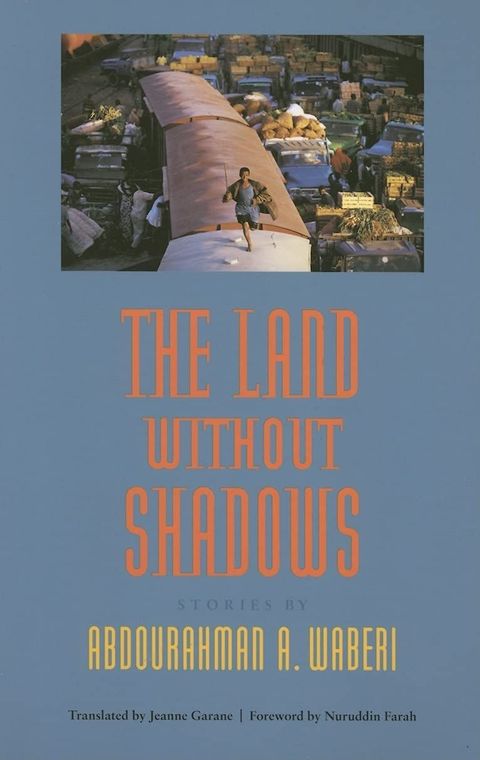
The Land without Shadows
SynopsisPlot
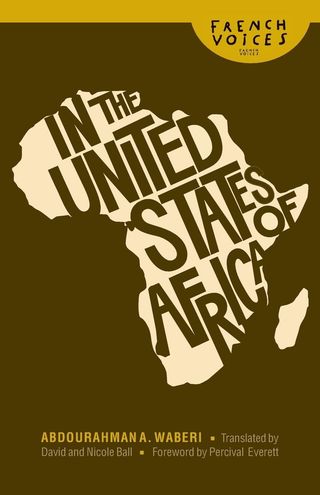
One of the first literary works to portray Djiboutians from their own point of view, The Land without Shadows is a collection of seventeen short stories. The author, Abdourahman A. Waberi, one of a handful of francophone writers of fiction to have emerged in the twentieth century from the "confetti-sized state" of Djibouti, has already won international recognition and prizes in African literature for his stories and novel. Because his writing is linked to immigration and exile, his native Djibouti occupies center stage in his work. Drawing on the Somali/Djiboutian oral tradition to weave pieces of legend, proverbs, music, poetry, and history together with references to writers as diverse as Soyinka, Shakespeare, Djebar, Baudelaire, Césaire, Waugh, Senghor, and Beckett, Waberi succeeds in bringing his country into a context that reaches well beyond the Horn of Africa.
Story
About this book
The Land without Shadows is a collection of seventeen short stories by Abdourahman A. Waberi, first published in France in 1994 as Le Pays sans ombre. Waberi is one of the few francophone fiction writers to emerge from Djibouti, a small state on the Horn of Africa described as confetti-sized. The stories span precolonial life, the colonial era, and the years after independence, forming one of the earliest literary works to present Djiboutian experience from a Djiboutian point of view.
Waberi draws on Somali and Djiboutian oral traditions, folding legend, proverbs, music, poetry, and local history into the fiction. His literary references reach outward to writers including Wole Soyinka, Assia Djebar, Aimé Césaire, Léopold Sédar Senghor, Shakespeare, Baudelaire, Evelyn Waugh, and Samuel Beckett. That double movement, rooted in regional oral culture while in conversation with world literature, places Djibouti in a frame wider than the Horn of Africa.
Immigration and exile run through the book as recurring concerns, and Djibouti stays at the centre of Waberi's work. Before this English translation, the collection circulated in French; Waberi had already received international recognition and prizes in African literature for his stories and a novel.