Folktales of Mayotte, an African Island
SynopsisPlot
Relying on the researches of three French ethnographers who interviewed storytellers in the 1970s-80s, Lee Haring shows a once-colonised people using verbal art to preserve ancient values in the postcolonial world, when the island of Mayotte was transforming itself from a neglected colony to an overseas department of France. The author's innovation is to read ethnographic researches as play scripts-to see printed folktales as accounts of live performances. One storyteller after another comments symbolically on what it is like to be a formerly colonised population. Storytelling women, in particular, combine diverse plots and characters to create traditional-sounding stories, which could not have been predicted from the African, Malagasy, Indian, and European traditions coexisting in Mayotte.
Story
About this book
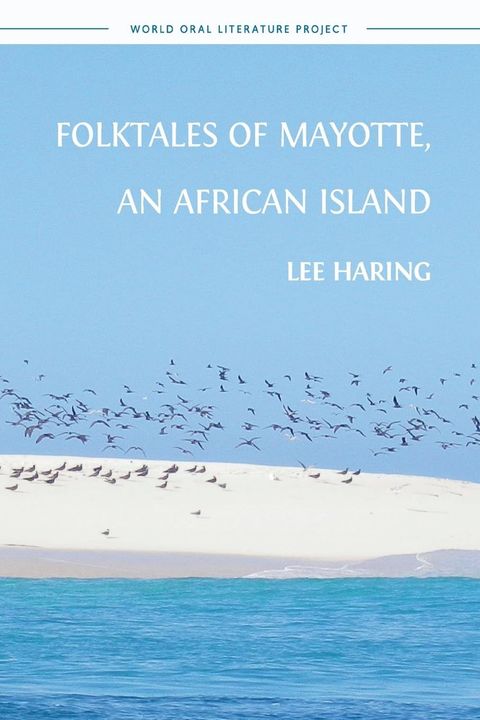
Mayotte is a small island in the Comoros archipelago, in the Mozambique Channel between Madagascar and the African mainland. During the 1970s and 1980s it was shifting from a neglected colony toward becoming an overseas department of France. Lee Haring draws on fieldwork by three French ethnographers who recorded storytellers during those years, examining how narrators used folktales to hold onto older values amid rapid change.
Haring's central approach is to treat printed ethnographic transcripts as records of live performances rather than fixed texts. He reads them almost as scripts, attentive to the choices each teller made. Women narrators receive particular focus: they blended plots and characters from African, Malagasy, Indian, and European traditions into stories that sounded inherited yet were original combinations. Haring finds irony and ambiguity in their tales, where compliance and resistance sit side by side.
The book presents this body of oral literature to English-speaking readers, describing Mayotte's storytelling as a system of word arts built from many cultural currents and distinct individual styles. Haring argues that tellers of those decades were both keeping and questioning the social order they had inherited, working through symbol and suggestion rather than direct statement.