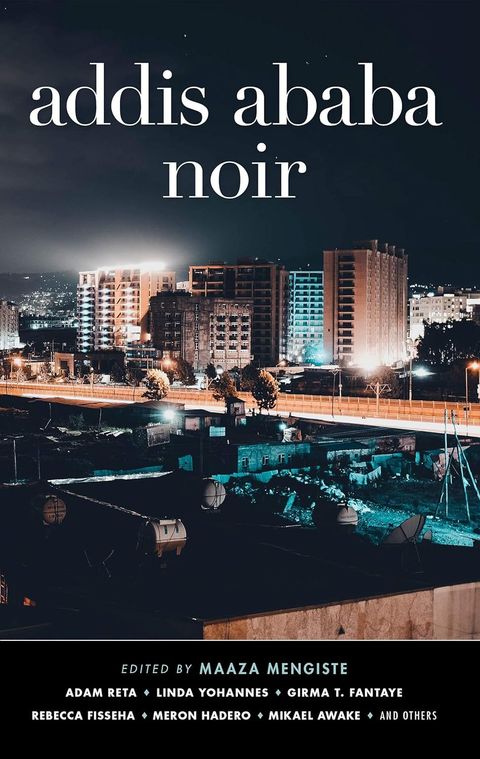
Addis Ababa Noir
SynopsisPlot
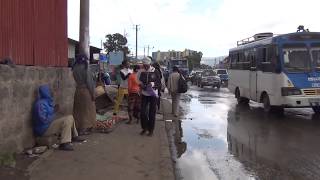
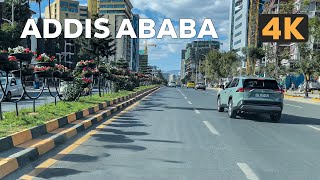
"What marks life in Addis Ababa are the starkly different realities coexisting in one place. It’s a growing city taking shape beneath the fraught weight of history, myth, and memory. It is a heady mix. It can also be disorienting, and it is in this space that the stories of Addis Ababa Noir reside . . . "These are not gentle stories. They cross into forbidden territories and traverse the damaged terrain of the human heart. The characters in these pages are complicated, worthy of our judgment as much as they somehow manage to elude it. The writers have each discovered their own ways to get us to lean in while forcing us to grit our teeth as we draw closer . . . "Despite the varied and distinct voices in these pages, no single book can contain all of the wonderful, intriguing, vexing complexities of Addis Ababa. But what you will read are stories by some of Ethiopia’s most talented writers living in the country and abroad. Each of them considers the many ways that myth and truth and a country’s dark edges come together to create something wholly original―and unsettling."
Story
About this book
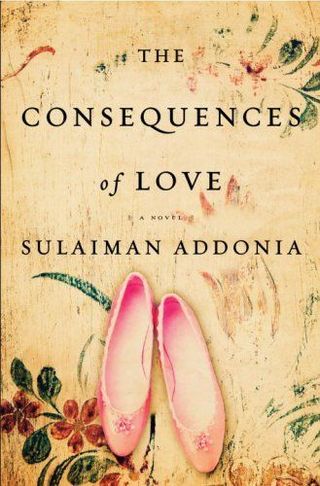
Addis Ababa Noir gathers short stories by fourteen writers connected to Ethiopia, some living in the country and some abroad. Every piece is set in or around the capital, a large and growing city where wealth and poverty, tradition and rapid change sit close together. Contributors include Maaza Mengiste, Sulaiman Addonia and Meron Hadero, and each story takes up a different corner of the city.
The stories are not comforting ones. Characters are drawn as complicated people, caught between loyalty and self-interest or between memory and denial, and the writing resists tidy moral conclusions. Several pieces look at how myth, history and rumour shape private decisions in a city still absorbing decades of political change. Across the anthology the mood is deliberately uneasy, closer to discomfort than resolution.
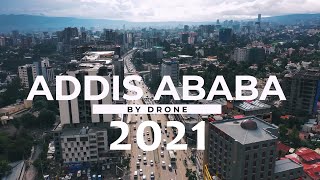
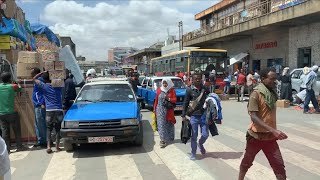
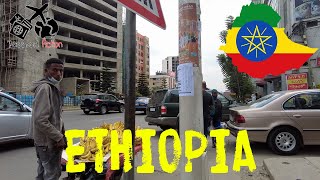
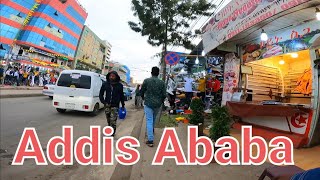
Addis Ababa sits at roughly 2,300 metres above sea level on the central Ethiopian highlands, which makes it one of the highest capital cities anywhere. It is also the seat of the African Union, so diplomats, migrants from rural regions and long-established residents share the same streets. The stories use that geography and that mix of people as working material rather than scenery.