Baghdad Noir
SynopsisPlot
Brand-new stories by: Sinan Antoon, Ali Bader, Mohammed Alwan Jabr, Nassif Falak, Dheya al-Khalidi, Hussain al-Mozany, Layla Qasrany, Hayet Raies, Muhsin al-Ramli, Ahmed Saadawi, Hadia Said, Salima Salih, Salar Abdoh, and Roy Scranton. From the introduction by Samuel Shimon: While all Iraqis will readily agree that their life has always been noir, the majority of the stories in Baghdad Noir are set in the years following the American invasion of 2003, though one story is set in 1950 and three are set in the 1970s and 1980s. Yet it is this recent history of Iraq―over the last few decades―that serves to inform its present . . . Cementing the destruction of Iraqi life was Saddam Hussein’s invasion of Kuwait in 1990. But that was hardly the end of Iraq’s noir story. In April 2003, the US invasion, though it precipitated the end of Saddam’s dictatorial rule, killed off any possibility of a secular, modern Iraq once and for all.
Story
About this book
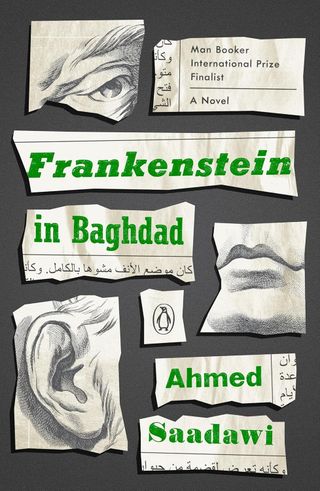
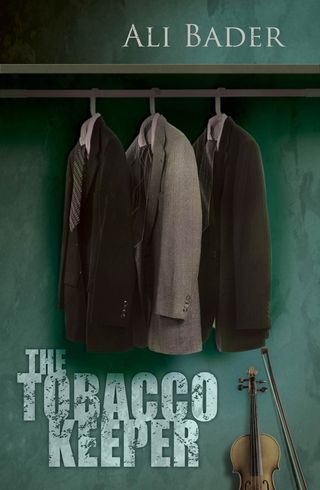
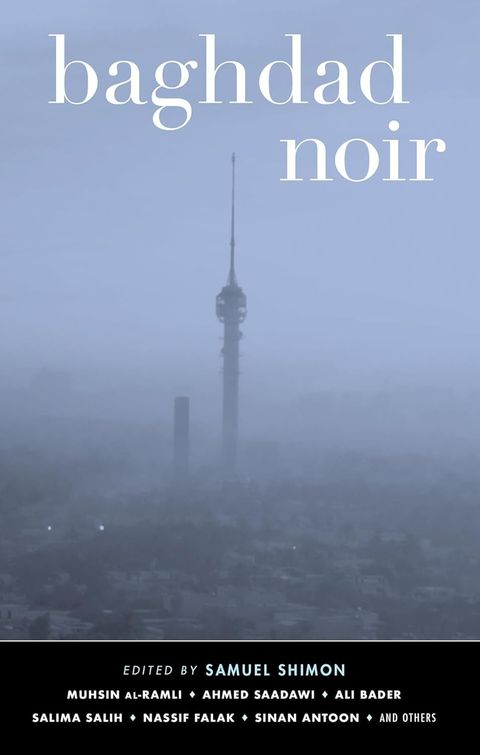
Baghdad Noir gathers fourteen new stories about the Iraqi capital, edited by the writer Samuel Shimon. Contributors include Sinan Antoon, Ali Bader, Mohammed Alwan Jabr, Nassif Falak, Ahmed Saadawi, Muhsin al-Ramli, Hadia Said, Salima Salih, and Roy Scranton. Noir, a form built around crime, moral compromise, and bleak city atmospheres, gives each writer a shared frame for one very specific place.
Most stories take place after the American invasion of April 2003. One is set in 1950, and three belong to the 1970s and 1980s, so the collection moves across several decades of Iraqi life. Shimon's introduction links those earlier years to the present, treating recent history as the ground on which today's Baghdad stands. The city itself remains the constant across every period.
In that introduction Shimon also writes about Saddam Hussein's rule, the 1990 invasion of Kuwait, and the damage those years did to ordinary life in Iraq. He states that the 2003 invasion brought an end to the dictatorship while also closing off the possibility of a secular, modern Iraq. The stories work inside conditions that the genre, by Shimon's account, can only approximate.