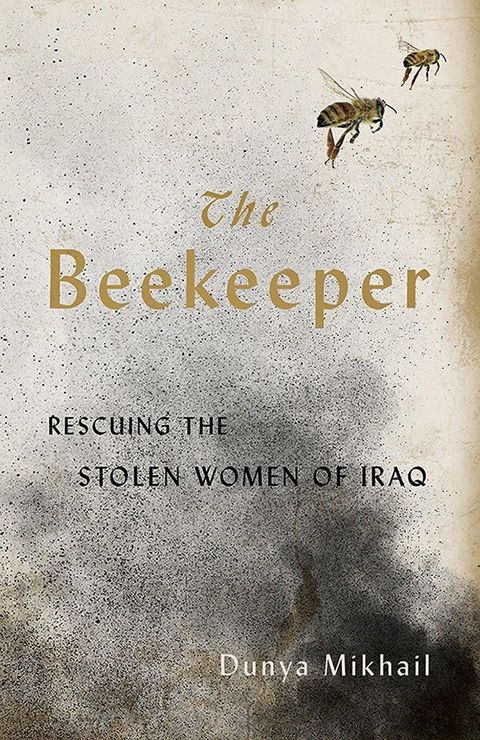
The Beekeeper: Rescuing the Stolen Women of Iraq
SynopsisPlot
Since 2014, Daesh (ISIS) has been brutalizing the Yazidi people of northern Iraq: sowing destruction, killing those who won’t convert to Islam, and enslaving young girls and women. The Beekeeper, by the acclaimed poet and journalist Dunya Mikhail, tells the harrowing stories of several women who managed to escape the clutches of Daesh. Mikhail extensively interviews these women―who’ve lost their families and loved ones, who’ve been sexually abused, psychologically tortured, and forced to manufacture chemical weapons―and as their tales unfold, an unlikely hero emerges: a beekeeper, who uses his knowledge of the local terrain, along with a wide network of transporters, helpers, and former cigarette smugglers, to bring these women, one by one, through the war-torn landscapes of Iraq, Syria, and Turkey, back into safety.
Story
About this book
Beginning in 2014, Daesh launched a campaign of persecution against the Yazidi people in northern Iraq. Thousands were killed, and young women and girls were captured and enslaved. Dunya Mikhail, an Iraqi-born poet and journalist, conducted extensive interviews with several women who survived captivity. Their accounts describe forced displacement, sexual violence, psychological abuse, and coerced labor, including work related to chemical weapons production.
At the center of the book is a figure known as the beekeeper, a man whose familiarity with the geography of the region allowed him to organize escape routes across Iraq, Syria, and Turkey. He coordinated with a loose network of drivers, local contacts, and former smugglers to move women out of Daesh-held territory one at a time. The routes were dangerous and improvised, relying on trust between people who often had little else in common.
Mikhail structures the book around these individual stories of captivity and flight, letting each woman's experience stand on its own terms. The beekeeper's role emerges gradually through the accounts rather than through a single continuous narrative. The result is a work of nonfiction shaped by firsthand testimony and grounded in specific places across a fractured landscape.