Opium Nation
SynopsisPlot
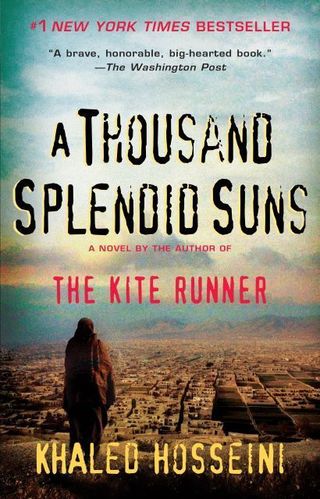
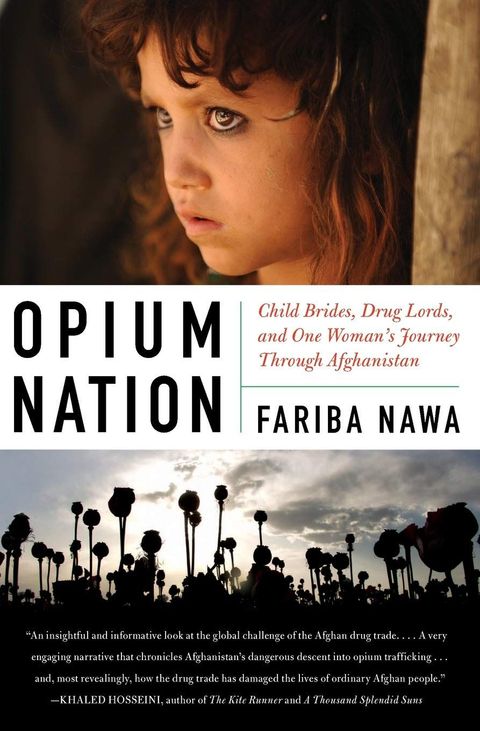
Afghan-American journalist Fariba Nawa delivers a revealing and deeply personal explorationof Afghanistan and the drug trade which rules the country, from corruptofficials to warlords and child brides and beyond. KhaledHosseini, author of The Kite Runner and AThousand Splendid Suns calls Opium Nation “an insightful andinformative look at the global challenge of Afghan drug trade. Fariba Nawa weaves her personalstory of reconnecting with her homeland after 9/11 with a very engagingnarrative that chronicles Afghanistan’s dangerous descent into opiumtrafficking…and most revealingly, how the drug trade has damaged the lives ofordinary Afghan people.” Readers of Gayle Lemmon Tzemach’sThe Dressmaker of Khair Khanaand Rory Stewart’s The Places Between will find Nawa’spersonal, piercing, journalistic tale to be an indispensable addition to thecultural criticism covering this dire global crisis.
Story
About this book
Fariba Nawa is an Afghan-American journalist who left Afghanistan as a child and returned after 2001 to report on the country's opium economy. Opium Nation combines her personal story of reconnecting with her homeland with on-the-ground reporting across Afghanistan's poppy-growing regions. Nawa interviews farmers, smugglers, drug lords, addicts, and government officials, tracing how the opium trade touches nearly every layer of Afghan society.
One of the book's recurring concerns is how ordinary people become entangled in the drug economy through poverty, debt, and coercion. Nawa describes encounters with families who have lost land or children to opium debts, including a twelve-year-old girl given as a bride to settle her father's obligations. These accounts sit alongside broader reporting on corruption, warlord influence, and the international dimensions of Afghan drug trafficking.
Nawa also examines her own position as someone shaped by both Afghan and American life. Her family history in Afghanistan gives her access and perspective that outside correspondents often lack, but it also complicates her reporting. The book moves between personal memoir and investigative journalism, grounding large-scale policy questions in specific lives and places.