My Life with the Taliban
SynopsisPlot
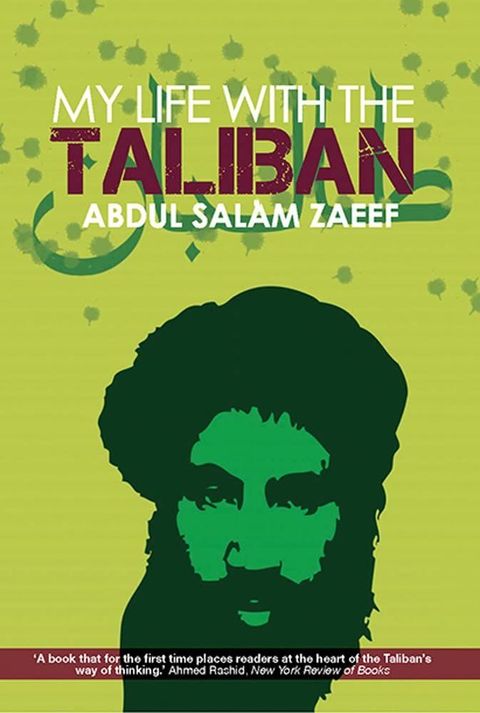
My Life with the Taliban offers a counter-narrative to the standard accounts of Afghanistan since 1979. Zaeef describes growing up in rural poverty in Kandahar province. Both of his parents died at an early age, and the Russian invasion of 1979 forced him to flee to Pakistan. He started fighting the jihad in 1983, during which time he was associated with many major figures in the anti-Soviet resistance, including the current Taliban head Mullah Mohammad Omar. After the war Zaeef returned to a quiet life in a small village in Kandahar, but chaos soon overwhelmed Afghanistan as factional fighting erupted after the Russians pulled out. Disgusted by the lawlessness that ensued, Zaeef was one among the former mujahidin who were closely involved in the discussions that led to the emergence of the Taliban, in 1994. Zaeef then details his Taliban career as civil servant and minister who negotiated with foreign oil companies as well as with Afghanistan's own resistance leader, Ahmed Shah Massoud.
Story
About this book
Abdul Salam Zaeef grew up in rural Kandahar province in conditions of deep poverty. Both of his parents died when he was young, and the Soviet invasion of 1979 forced him across the border into Pakistan as a refugee. By 1983 he had joined the armed resistance against the Soviet occupation, a period during which he came into contact with several prominent figures in the Afghan mujahidin, among them Mullah Mohammad Omar, who would later lead the Taliban.
After the Soviet withdrawal, Zaeef returned to village life in Kandahar, but the factional fighting that followed plunged much of the country into disorder. Frustrated by the lawlessness, he was among the former mujahidin involved in the discussions that gave rise to the Taliban movement in 1994. From there he moved into roles as a civil servant and government minister, taking part in negotiations with foreign oil companies and with the Afghan opposition commander Ahmed Shah Massoud.
The book presents itself as a counter-narrative to the more widely circulated accounts of Afghanistan from 1979 onward. Written from the perspective of a senior former Taliban member, it traces the arc from Soviet-era displacement through guerrilla war, post-war collapse, and the early Taliban administration, offering details that are rarely available from this vantage point.