I Am Malala
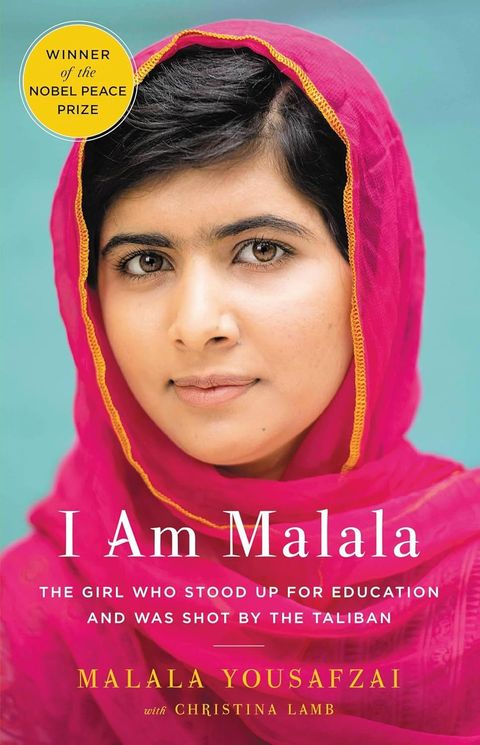
SynopsisPlot
When the Taliban took control of the Swat Valley in Pakistan, one girl spoke out. Malala Yousafzai refused to be silenced and fought for her right to an education. On Tuesday, October 9, 2012, when she was fifteen, she almost paid the ultimate price. She was shot in the head at point-blank range while riding the bus home from school, and few expected her to survive. Instead, Malala's miraculous recovery has taken her on an extraordinary journey from a remote valley in northern Pakistan to the halls of the United Nations in New York. At sixteen, she became a global symbol of peaceful protest and the youngest nominee ever for the Nobel Peace Prize.
Story
About this book
I Am Malala is a memoir written by Malala Yousafzai with journalist Christina Lamb. It tells the story of a girl growing up in the Swat Valley of northern Pakistan, where her father ran a school and actively encouraged her education. When the Taliban gained control of the valley and began restricting girls from attending school, Malala spoke publicly against these policies, drawing both attention and danger.
On October 9, 2012, a gunman shot the fifteen-year-old in the head while she was riding a bus home from school. Her survival and long recovery brought international focus to the conditions in Swat and to the broader question of girls' access to education. She went on to address the United Nations and became the youngest-ever Nobel Peace Prize laureate.
The book covers the texture of daily life in Swat before and during the Taliban's presence, and describes how Malala's family responded to escalating threats. Her father's role is central to the account. He built schools in the region and supported his daughter's public voice at a time when doing so carried serious personal risk.