This Child Will Be Great
SynopsisPlot
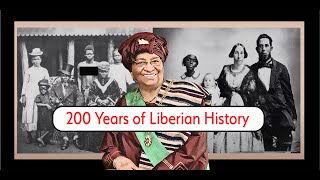
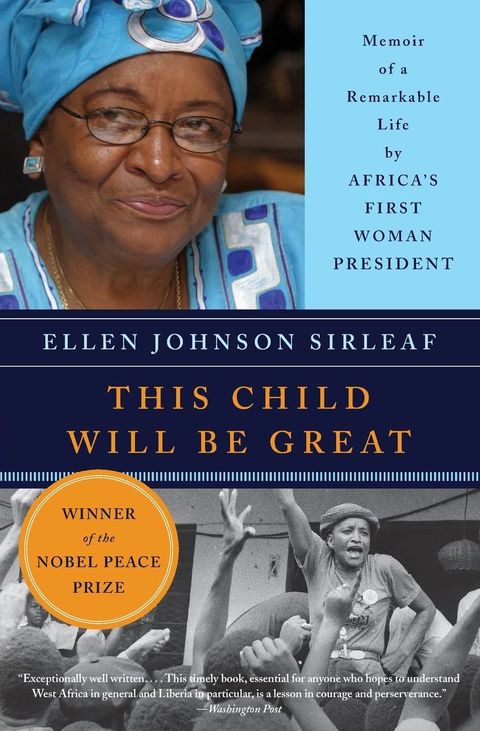
In January 2006, after the Republic of Liberia had been racked by fourteen years of brutal civil conflict, Ellen Johnson Sirleaf—Africa's "Iron Lady"—was sworn in as president, an event that marked a tremendous turning point in the history of the West African nation. In this stirring memoir, Sirleaf shares the story of her rise to power, including her early childhood; her experiences with abuse, imprisonment, and exile; and her fight for democracy and social justice. She reveals her determination to succeed in multiple worlds, from her studies in the United States to her work as an international bank executive, to campaigning in some of Liberia's most desperate and war-torn villages and neighborhoods. It is the tale of an outspoken political and social reformer who fought the oppression of dictators and championed change.
Story
About this book
Ellen Johnson Sirleaf became president of Liberia in January 2006, following fourteen years of civil conflict that had devastated the West African country. She was the first woman elected head of state in Africa. This memoir traces her path from childhood in Liberia through education in the United States, a career in international banking, imprisonment and exile under authoritarian rule, and eventually a successful campaign for the presidency.
Sirleaf writes about navigating between worlds. She studied and worked abroad while maintaining deep ties to Liberian political life, where she openly opposed successive dictatorships. That opposition brought serious personal consequences, including detention and periods of forced separation from her country. The book covers her eventual return to Liberia and the grassroots campaign work she carried out across communities still bearing the marks of war.
The memoir also addresses her experiences with abuse and the obstacles she encountered as a woman seeking political authority in settings where few women held power. Sirleaf describes the practical realities of running for office in a country rebuilding its institutions, from organizing in remote villages to confronting the legacy of prolonged armed conflict.