Long Way Gone
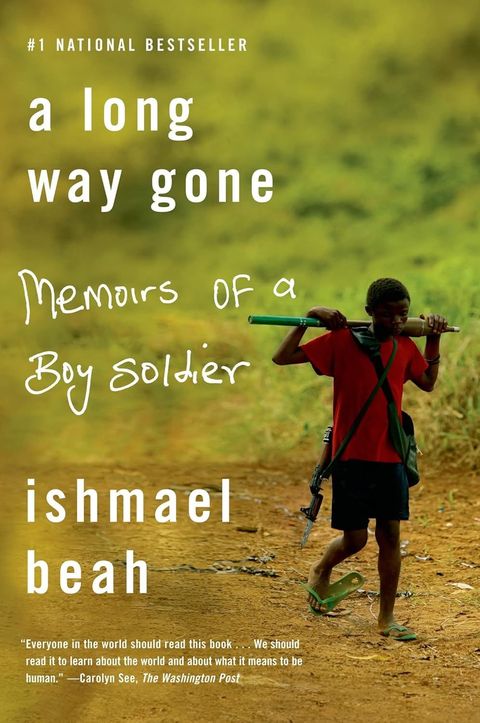
SynopsisPlot
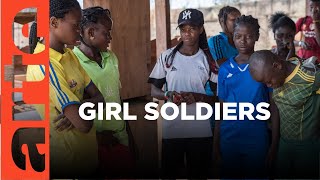
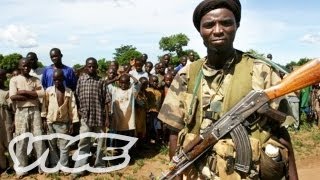
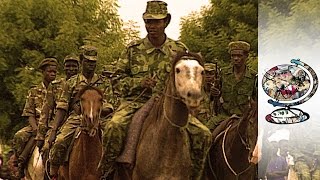
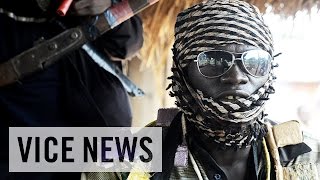
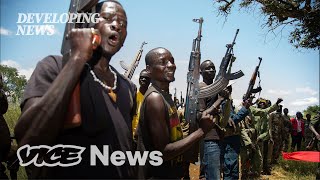
This is how wars are fought now: by children, hopped-up on drugs and wielding AK-47s. Children have become soldiers of choice. In the more than fifty conflicts going on worldwide, it is estimated that there are some 300,000 child soldiers. Ishmael Beah used to be one of them. How does one become a killer? How does one stop? Child soldiers have been profiled by journalists, and novelists have struggled to imagine their lives. But until now, there has not been a first-person account from someone who came through this hell and survived.
Story
About this book
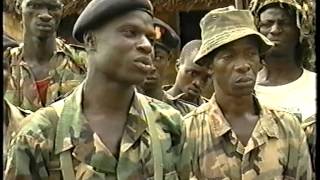
Ishmael Beah was twelve years old when armed rebels attacked his community in Sierra Leone, forcing him to flee through a country reshaped by civil war. By thirteen he had been recruited into the government army. His memoir recounts how a boy who loved hip-hop and dancing was turned into a participant in violence, given drugs and weapons alongside other children.
At sixteen, Beah was removed from the fighting by UNICEF and placed in a rehabilitation center. The memoir follows his slow process of confronting what he had done and learning to function outside of war. Staff at the center worked with former child soldiers to help them recover a sense of identity beyond combat. Beah later moved to the United States, where he completed his education and wrote this account.
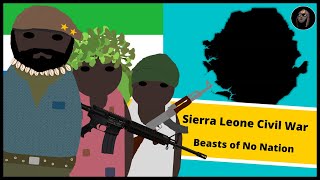
The book is among the first published memoirs written by a former child soldier. It draws on direct experience rather than journalism or fiction, and it addresses the estimated 300,000 children serving in armed conflicts worldwide at the time of writing. Sierra Leone's war, which lasted from 1991 to 2002, displaced roughly two million people.