Weep Not, Child
SynopsisPlot
Two brothers, Njoroge and Kamau, stand on a garbage heap and look into their futures: Njoroge is to attend school, while Kamau will train to be a carpenter. But this is Kenya, and the times are against them: In the forests, the Mau Mau is waging war against the white government, and the two brothers and their family need to decide where their loyalties lie. For the practical Kamau, the choice is simple, but for Njoroge the scholar, the dream of progress through learning is a hard one to give up.
Story
About this book
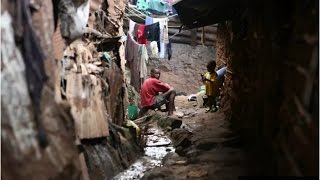
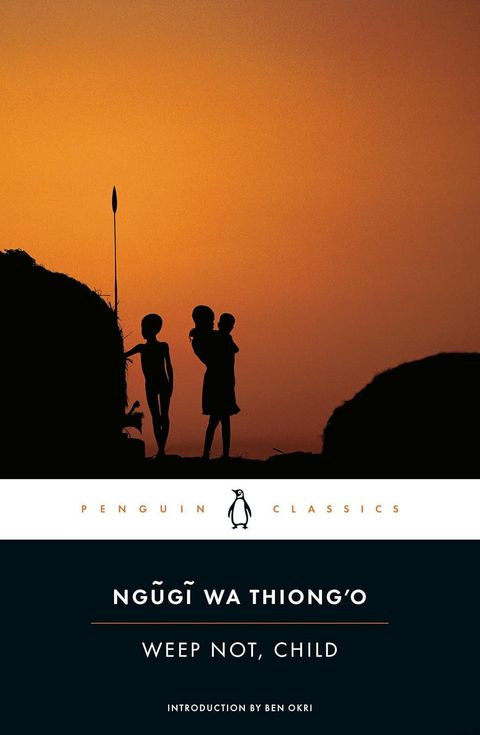
Weep Not, Child follows two brothers in colonial Kenya as their paths split early in life. Njoroge, the younger, is chosen to attend school, carrying his family's hopes for a future shaped by education. Kamau, the elder, begins an apprenticeship as a carpenter. The novel opens with both standing together, looking ahead from a garbage heap, a starting point that frames the distance between aspiration and circumstance.
The story is set during the Mau Mau uprising of the 1950s, when armed resistance against British colonial rule in Kenya forced ordinary families into difficult positions. The conflict reaches into the brothers' household, pressing each member to decide where loyalty and survival point. Kamau finds the political choice straightforward, but Njoroge clings to the idea that schooling can carry him beyond the crisis. The tension between personal ambition and collective struggle runs through the book.
First published in 1964, this was Ngũgĩ wa Thiong'o's first novel. It centers on how large-scale political violence reshapes daily life for people who did not choose it, examining what happens to a family's plans when the ground beneath them shifts. The story is set primarily in the Kenyan highlands, where much of the Mau Mau conflict took place.