Mukiwa: A White Boy in Africa
SynopsisPlot
Mukiwa opens with Peter Godwin, six years old, describing the murder of his neighbor by African guerillas, in 1964, pre-war Rhodesia. Godwin's parents are liberal whites, his mother a governement-employed doctor, his father an engineer. Through his innocent, young eyes, the story of the beginning of the end of white rule in Africa unfolds. The memoir follows Godwin's personal journey from the eve of war in Rhodesia to his experience fighting in the civil war that he detests to his adventures as a journalist in the new state of Zimbabwe, covering the bloody return to Black rule. With each transition Godwin's voice develops, from that of a boy to a young man to an adult returning to his homeland.
Story
About this book
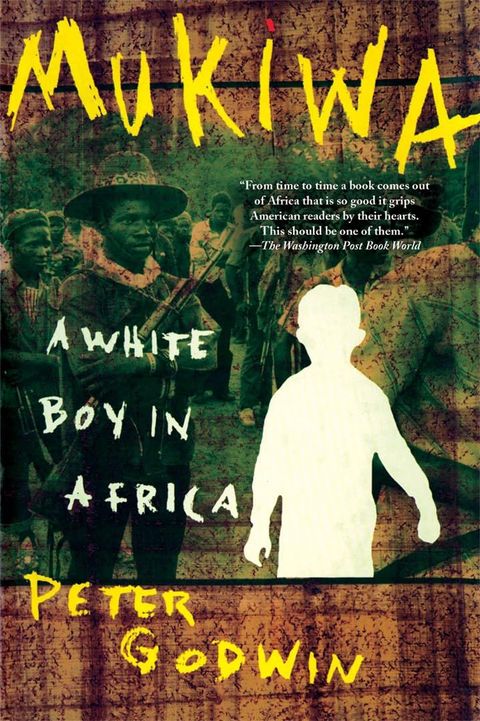
Mukiwa is a memoir by Peter Godwin that begins in 1964 Rhodesia, when the author is six years old and witnesses the killing of a neighbor by guerrilla fighters. His parents are liberal whites: his mother works as a government doctor, his father as an engineer. Through a child's perspective, the book traces the final decades of white-ruled Rhodesia as political tensions harden into armed conflict.
As Godwin grows older, his account shifts in tone and scope. He serves as a soldier in the civil war, a conflict he opposes, and later works as a journalist in the newly formed state of Zimbabwe. Each stage carries a different voice, moving from childhood observation to adult reckoning with the violence and contradictions surrounding him. After spending time in England, Godwin returns to report on human rights abuses in the country he once knew under a different name.
The title, Mukiwa, is a Shona word used in Zimbabwe to refer to a white person. Godwin's position as both insider and outsider in a changing society gives the memoir its central tension. The book covers roughly three decades of political transformation in southern Africa, anchored in one person's shifting relationship with a single place.