Nervous Conditions
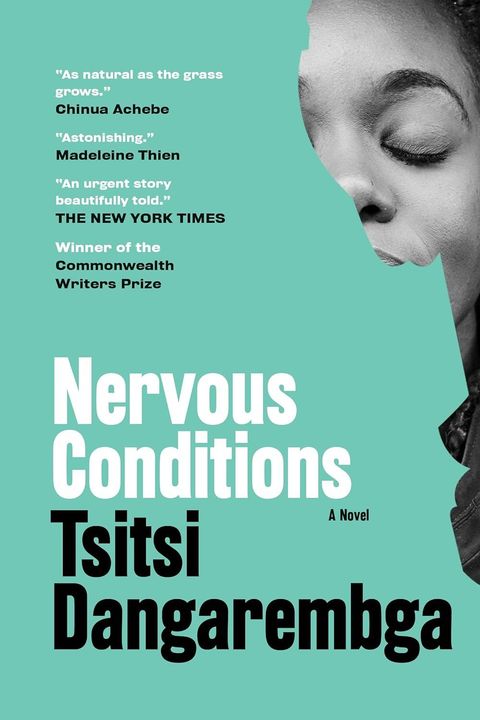
SynopsisPlot
Two decades before Zimbabwe would win independence and ended white minority rule, thirteen-year-old Tambudzai Sigauke embarks on her education. On her shoulders rest the economic hopes of her parents, siblings, and extended family, and within her burns the desire for independence. She yearns to be free of the constraints of her rural village and thinks she’s found her way out when her wealthy uncle offers to sponsor her schooling. But she soon learns that the education she receives at his mission school comes with a price.
Story
About this book
Two decades before Zimbabwe would achieve independence, thirteen-year-old Tambudzai Sigauke begins her education with the weight of her family's economic hopes on her shoulders. She yearns to break free from the confines of her rural village, where her options are scarce. When her prosperous uncle offers to sponsor her schooling at a mission school, she sees a way toward independence.
Yet the education she receives comes with hidden costs. Tambudzai soon learns that attending the mission school requires navigating the tensions between traditional Shona culture and the colonial system, between her family's expectations and her own desires. The novel, which won the Commonwealth Writers Prize, is the first in a trilogy that follows her journey. It explores themes of gender, class, and identity in late colonial Zimbabwe.
Through Tambudzai's experiences, the story reveals the subtle but profound costs of educational opportunity under colonial rule, including alienation from one's roots and pressures to assimilate. The book remains an important work that examines the personal consequences of political change.