The Fury and Cries of Women
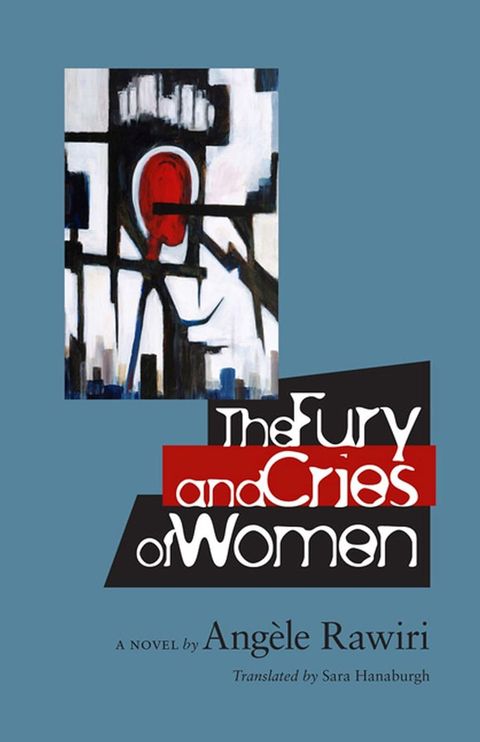
SynopsisPlot
Emilienne’s active search for feminism on her own terms is tangled up with cultural expectations and taboos of motherhood, marriage, polygamy, divorce, and passion. She completes her university studies in Paris; marries a man from another ethnic group; becomes a leader in women’s liberation; enjoys professional success, even earning more than her husband; and eventually takes a female lover. Yet still she remains unsatisfied.
Story
About this book
Angèle Rawiri was the first woman from Gabon to publish a novel, and The Fury and Cries of Women is among her better known books. The story follows Emilienne, whose life moves between Paris and her home country as she pursues education, professional ambition, and personal freedom. She studies at a French university, marries a man from a different ethnic group, and builds a career that eventually earns more than her husband's.
The novel sets Emilienne's choices against expectations around motherhood, marriage, polygamy, and divorce. Her search for feminism on her own terms does not follow a simple arc. She becomes a leader in women's liberation, succeeds professionally, and later takes a female lover, yet remains unsatisfied. Rawiri lets the friction between private desire and collective norms stay visible rather than resolving it into one argument.
Rawiri wrote in a context shaped by earlier African women novelists such as Mariama Bâ and Aminata Sow Fall, who had opened ground on related subjects a generation before. This book carries that discussion into Gabon, on the Atlantic coast of Central Africa, and into taboos those earlier writers had approached more carefully.