Glory
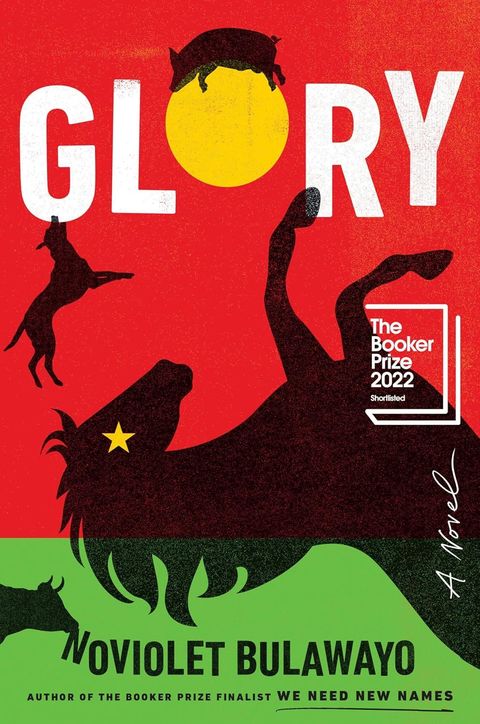
SynopsisPlot
NoViolet Bulawayo’s bold new novel follows the fall of the Old Horse, the long-serving leader of a fictional country, and the drama that follows for a rumbustious nation of animals on the path to true liberation. Inspired by the unexpected fall by coup in November 2017 of Robert G. Mugabe, Zimbabwe’s president of nearly four decades, Glory shows a country's imploding, narrated by a chorus of animal voices that unveil the ruthlessness required to uphold the illusion of absolute power and the imagination and bulletproof optimism to overthrow it completely. By immersing readers in the daily lives of a population in upheaval, Bulawayo reveals the dazzling life force and irresistible wit that lie barely concealed beneath the surface of seemingly bleak circumstances.
Story
About this book
Glory is set in a fictional country ruled by an aging leader known as the Old Horse, who has held power for decades. When a coup unseats him, the nation enters a period of upheaval where old loyalties fracture and new ambitions surface. The story is told through a chorus of animal characters whose voices carry the daily life of a population in flux.
The novel draws directly from the November 2017 removal of Robert Mugabe, who had served as Zimbabwe's president for nearly four decades. Bulawayo channels that event through allegory, giving the narrative a fable-like quality while keeping the stakes concrete. The animal framework lets her show the ruthlessness needed to sustain an illusion of absolute power, alongside the wit and stubborn optimism of people trying to end it.
Bulawayo's earlier novel, We Need New Names, was a finalist for the Booker Prize. Glory again takes Zimbabwean political life as its source, this time through satire rather than realism, and it stays with a country in mid-collapse rather than a settled aftermath. The chorus form spreads the telling across many mouths, so no single narrator holds the authority the Old Horse once claimed.