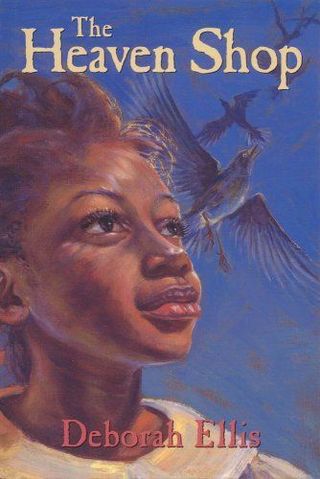
The Heaven Shop
SynopsisPlot
At her father's funeral, Binti's grandmother utters the words that no one in Malawi wants to hear. Binti's father and her mother before him, dies of AIDS. Binti, her sister, and brother are separated and sent to the home of relatives who can barely tolerate their presence. Ostracized by their extended family, the orphans are treated like the lowest servants. With her brother far away and her sister wallowing in her own sorrow, Binti can hardly contain her rage. She, Binti Phirim, was once a child star of a popular radio program. Now she is scraping to survive. Binti always believed she was special, now she is nothing but a common AIDS orphan. Binti Phiri is not about to give up. Even as she clings to hope that her former life will be restored, she must face a greater challenge. If she and her brother and sister are to reunited, Binti Phiri will have to look outside herself and find a new way to be special.
Story
About this book
Binti Phiri is a young girl in Malawi who once performed on a popular radio program, a role that made her feel visible and valued. When her father dies of AIDS, following her mother's earlier death from the same disease, Binti's life changes completely. At the funeral, her grandmother speaks the words that carry a particular stigma in Malawi, confirming the cause of death. Binti, her brother, and her sister are separated and placed with relatives who resent their presence.
Each sibling faces a different version of the same problem. Stripped of status and treated as unwelcome dependents, they endure conditions closer to servitude than family care. Binti struggles with fury at her sudden fall from a child known across the airwaves to someone defined entirely by the circumstances of her parents' deaths. Her brother is sent far away, and her sister retreats into grief. The distance between the three of them becomes one of the story's central tensions.
Deborah Ellis, also known for The Breadwinner trilogy, sets this novel against the backdrop of an AIDS crisis that had orphaned more than eleven million children across Africa at the time of writing. All royalties from the book were designated for donation to UNICEF.