Because Pula Means Rain
SynopsisPlot
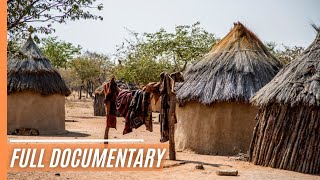
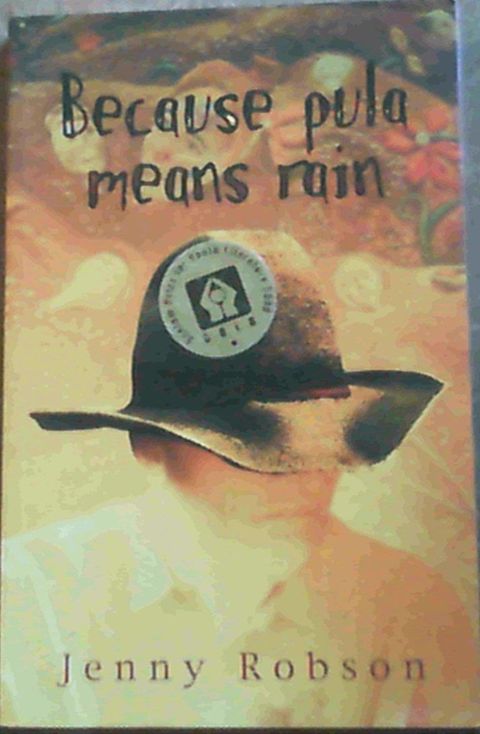
Because Pula Means Rain by Jenny Robson is a moving story about Emmanuel, a young boy with albinism growing up in a rural village in Botswana. Because of his appearance, the people around him fear and reject him, believing that merely being near him could bring misfortune. Isolated and longing for acceptance, Emmanuel struggles with the prejudice of his community while trying to find his place in the world. The title of the book carries deep significance—pula means both "rain" and "blessing" in Setswana, symbolizing hope and renewal. In Botswana’s dry climate, rain is rare and precious, just as Emmanuel hopes to be seen as something valuable rather than as an outcast.
Story
About this book
Because Pula Means Rain follows Emmanuel, a young boy with albinism living in a rural village in Botswana. His lighter skin and hair set him apart in ways that go beyond appearance. People around him believe his presence can bring misfortune, and this belief shapes how they treat him. Emmanuel grows up isolated, caught between wanting to belong and facing a community that keeps its distance out of fear rather than fact.
In Setswana, the word pula means both rain and blessing. In a country where much of the landscape is dry and rain is scarce, pula carries real weight. The title connects Emmanuel's story to this idea: that something rare can still be deeply valuable. Jenny Robson, a South African author who lived and taught in Botswana for many years, draws on that setting to ground the story in a specific place and climate. The prejudice Emmanuel encounters reflects wider patterns of stigma that people with albinism face across parts of the African continent.
The novel is written for younger readers and stays close to Emmanuel's point of view as he tries to find a place for himself. His situation raises questions about superstition, community belonging, and what happens when appearance alone determines how a person is treated.