Dead Aid
SynopsisPlot
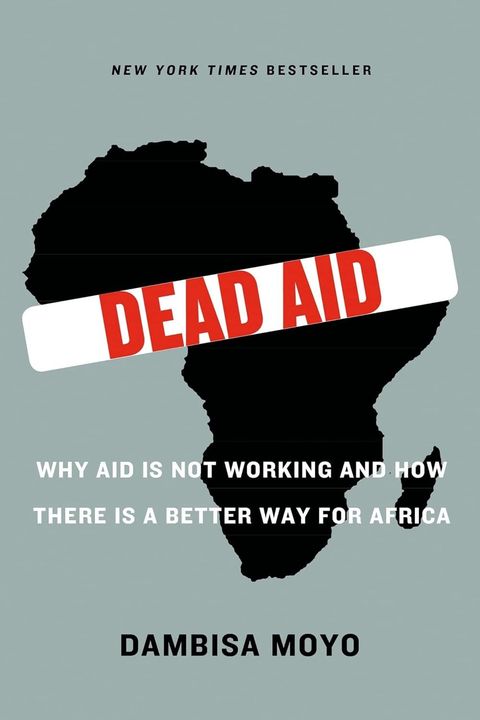
A national bestseller, Dead Aid unflinchingly confronts one of the greatest myths of our time: that billions of dollars in aid sent from wealthy countries to developing African nations has helped to reduce poverty and increase growth. In fact, poverty levels continue to escalate and growth rates have steadily declined―and millions continue to suffer. Debunking the current model of international aid promoted by both Hollywood celebrities and policy makers, Dambisa Moyo offers a bold new road map for financing development of the world's poorest countries.
Story
About this book
Dambisa Moyo, an economist from Zambia, examines the record of international aid to African countries and argues that decades of financial transfers from wealthier nations have not achieved their stated goals. The book presents data showing that poverty in many recipient countries has worsened over time, and that economic growth rates have declined rather than improved during the same period. Moyo challenges the assumption, widespread among policymakers and public figures alike, that large-scale aid is the primary tool for addressing poverty on the continent.
Rather than stopping at criticism, the book outlines alternative approaches to financing economic development. These include encouraging direct foreign investment, expanding access to international capital markets, promoting trade, and reducing dependency on aid flows. Moyo draws on her background in economics and finance to frame these proposals in practical terms, addressing how governments in low-income countries might transition away from aid-based models.
Dead Aid became a national bestseller and generated significant public debate in both the United States and the United Kingdom when it was published. The arguments provoked responses from economists, development workers, and political commentators, making the book a visible reference point in ongoing discussions about how international development is funded.