I Did Not Die
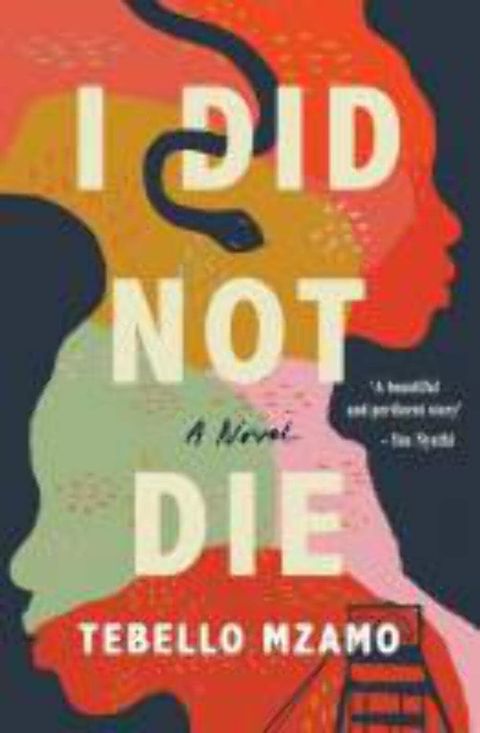
SynopsisPlot
Botho Pere finds work as a miner in South Africa and he has to leave his wife, Nthatisi, and their two children in Lesotho. There are secrets threatening to unravel the delicate thread that has been holding their family together. And though some of Botho’s troubles are of his own making, others are rumoured to be caused by witchcraft.
Story
About this book
Botho Pere leaves his wife, Nthatisi, and their two children in Lesotho to work as a miner in South Africa. The separation is common for families in Lesotho, where many men have historically crossed into South Africa to find employment in the mines. Distance strains the household in predictable and less predictable ways, and the novel follows both Botho's life underground and Nthatisi's life managing alone at home.
Secrets run through the story on both sides of the border. Some of the family's problems grow from choices Botho himself has made. Others, according to rumour, have their roots in witchcraft. Tebello Mzamo holds these two kinds of explanation side by side without treating either as automatically more credible than the other, reflecting a world where personal responsibility and supernatural suspicion coexist in everyday conversation.
The title itself signals survival rather than triumph. Mzamo's focus stays on the ordinary pressures of migrant mine labour: the physical danger, the long absences, the money that must stretch across a border, and the family bonds that fray under sustained distance. The setting ties the novel firmly to a pattern of cross-border labour migration that has shaped communities in Lesotho for generations.