I Am Not Your Slave: A Memoir
SynopsisPlot
Tupa was abducted from southwestern Africa and funneled through an extensive yet almost completely unknown human trafficking network spanning the entire African continent. As she is transported from the point of her abduction on a remote farm near the Namibian-Angolan border and channeled to her ultimate destination in Dubai in the United Arab Emirates, her three-year odyssey exposes the brutal horrors of a modern day middle passage. During her ordeal, Tupa encounters members of Africa’s notorious gangs, terrifying witchdoctors, mysterious middlemen from China, corrupt police and border officials, Arab smugglers and high-ranking United Nations officials. And of course, Tupa meets her fellow trafficking victims, young women and girls from around the world. Tupa’s harrowing experience, including her daring escape and eventual return home, sheds light on the most shocking aspects of modern day slavery, as well as the essential determination to be free.
Story
About this book
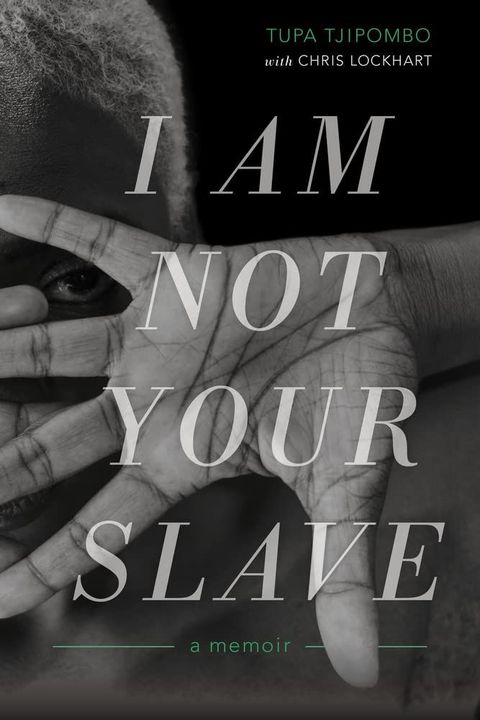
I Am Not Your Slave is a memoir by Tupa Tjipombo, recounting her abduction from a remote farm near the Namibian-Angolan border and her forced passage through a human trafficking network that stretched across the African continent. Over a period of three years, she was moved through multiple countries before reaching Dubai in the United Arab Emirates. The book describes the network of people involved at each stage, including gang members, middlemen, corrupt officials, and smugglers.
Along the way, Tjipombo encountered other trafficking victims, young women and girls from various parts of the world caught in similar circumstances. Her account traces not only the physical route she was forced to travel but also the systems and failures that allowed the network to operate across national borders with little interference. The memoir includes her escape and her return to her home region in southwestern Africa.
The book maps a trafficking route that remains largely hidden from public view, connecting rural southern Africa to the Gulf states through a chain of intermediaries. It draws attention to the scale of modern forced labor and exploitation by grounding it in the specific geography, people, and border crossings of one person's experience.