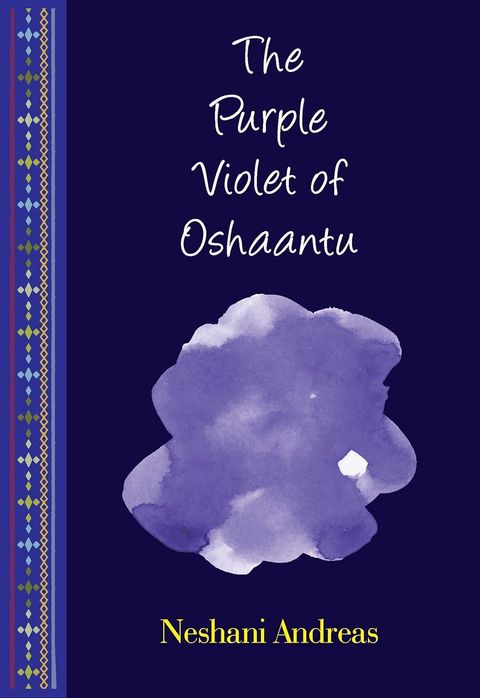
The Purple Violet of Oshaantu
SynopsisPlot
For Kauna, marriage is nothing more than loveless entrapment, and she defies convention by making no secret of her suffering. When her abusive husband is found dead, the villagers are quick to suspect her. Related from the point of view of her best friend, Kauna's story reveals the value of friendship between women of all kinds.
Story
About this book
The Purple Violet of Oshaantu is set in a small rural village in Namibia and told through the eyes of Mee Ali, who watches her best friend Kauna endure a violent and loveless marriage. Kauna does not hide her unhappiness, which sets her apart in a community where women are expected to bear domestic suffering in silence. When her abusive husband is found dead, suspicion falls on Kauna almost immediately, and the village begins to fracture along lines of loyalty, gossip, and long-held grievance.
Through Mee Ali's narration, the novel moves between the present crisis and earlier episodes that reveal how the two women's lives have run in parallel and apart. Several other women in Oshaantu carry their own difficult stories, and the book threads these together to show how marriage, motherhood, and social expectation shape daily life in ways that are specific to the setting yet easy to recognize. Friendship between women becomes a practical lifeline rather than an abstract ideal.
Neshani Andreas, a Namibian writer, grounds the story in the textures of Owambo village life, including its customs around death, inheritance, and the authority of elders. The novel was first published in 2001 as part of Heinemann's African Writers Series.