Singing Away the Hunger : The Autobiography of an African Woman
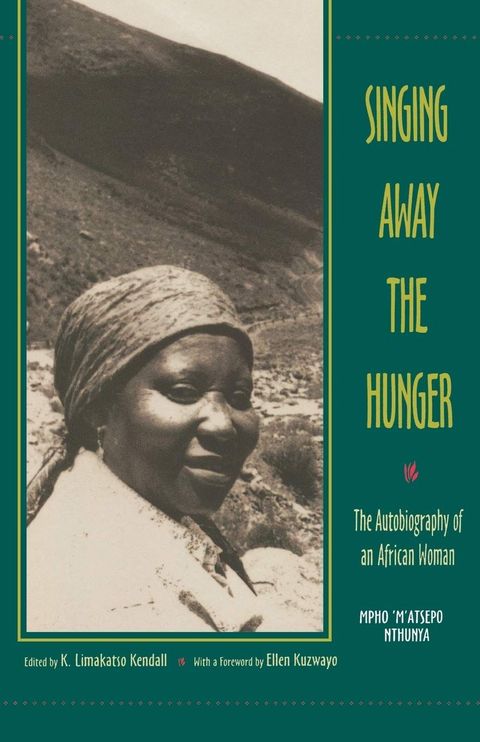
SynopsisPlot
A compelling and unique autobiography by an African woman with little formal education, less privilege, and almost no experience of books or writing. Mpho's is a voice almost never heard in literature or history, a voice from within the struggle of "ordinary" African women to negotiate a world which incorporates ancient pastoral ways and the congestion, brutality, and racist violence of city life. It is also the voice of a born storyteller who has a subject worthy of her gifts―a story for all the world to hear.
Story
About this book
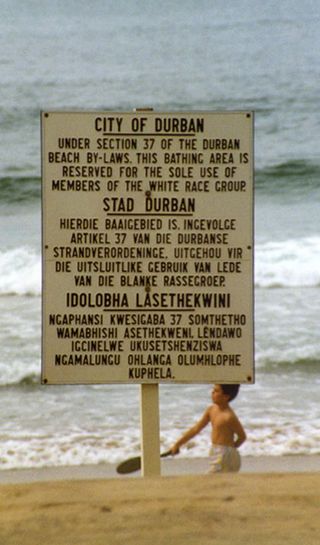
Mpho 'M'atsepo Nthunya grew up in Lesotho with very little formal schooling and almost no exposure to books or written language. Her autobiography recounts a life shaped by the traditions of a rural, pastoral society and by the harsh realities of labor and survival in South Africa's cities. She describes what it meant to move between these two worlds, where old customs and urban racial violence existed side by side.
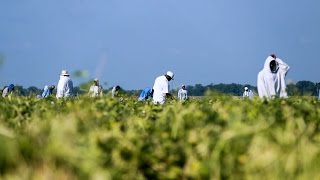
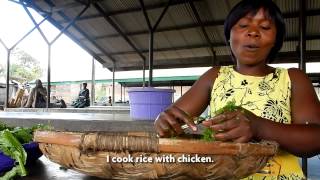
Nthunya's account belongs to a kind of life writing that rarely reaches publication. She was not a political figure or a public personality, but a working woman whose concerns included feeding a family, living under apartheid-era South African law, and keeping ties to her home country. The book draws on her skill as a spoken storyteller, and details of food, work, community gatherings and domestic hardship give the text its specific texture.
Lesotho is a small mountainous kingdom entirely surrounded by South Africa, a position that has long shaped its economy. For much of the twentieth century, many Basotho crossed that border for wage work in mines, farms and households, living between two very different social systems. Nthunya's narrative sits inside that long pattern of movement and return.