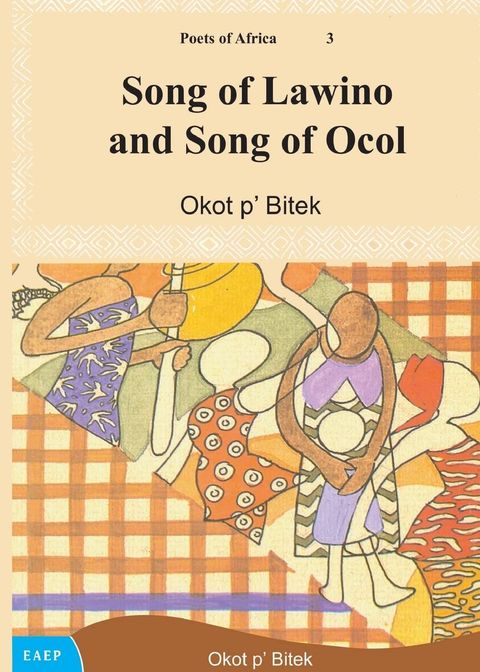
Song of Lawino and Song of Ocol
SynopsisPlot
Song of Lawino is an African woman's lamentation over the cultural death of her western educated husband - Ocol. In Song of Ocel the husband tries to justify his cultural apostasy. These songs were translated from Acholi by the author. They evince a fascinating flavour of the African rhythmical idiom.
Story
About this book
Song of Lawino and Song of Ocol is a pair of long poems by Ugandan writer Okot p'Bitek. Originally composed in Acholi, a language spoken in northern Uganda and parts of South Sudan, the poems were translated into English by the author himself. Song of Lawino is spoken by an Acholi woman whose husband, Ocol, has turned away from the customs and values he grew up with after receiving a Western education. Lawino addresses him directly, describing what has been lost and questioning why he now rejects the traditions that once shaped their shared life.
Song of Ocol serves as a companion piece in which the husband responds, attempting to explain his rejection of traditional culture. Together the two voices create a tense conversation about identity, loyalty, and the pull between inherited ways of living and the habits and ambitions that colonial education introduced. The poems draw on the rhythms and oral patterns of Acholi song, giving them a distinctive sound even in their English versions.
The setting is firmly rooted in the social landscape of post-independence East Africa, where personal relationships often mirrored larger cultural conflicts. p'Bitek structured the work so that neither voice fully resolves the argument, leaving the tension between Lawino and Ocol open and unfinished.