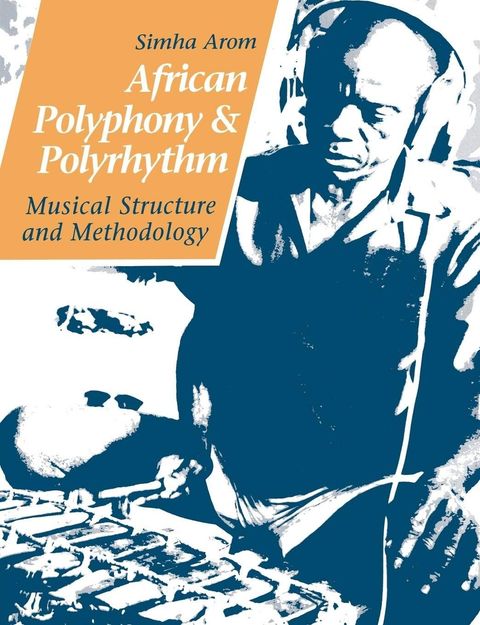
African Polyphony and Polyrhythm: Musical Structure and Methodology
SynopsisPlot
In this detailed study Simha Arom takes a new and original approach to the understanding of the complex and sophisticated patterns of polyphony and polyrhythm that characterise African music. Considering in particular the harp, sanza, xylophone and percussion music of Central Africa, Simha Arom develops a rigorous method for the analysis of the music and for the recording and deciphering of the many strands of polyphony and polyrhythm. Through a systematic breakdown of the many layers of apparently improvised rhythm he reveals the essential structure which underlies this rich and complex music.
Story
About this book
Simha Arom's study examines the layered musical structures found in Central African traditions, focusing on instruments such as the harp, sanza (a plucked idiophone with metal tines mounted on a resonator), xylophone, and various percussion ensembles. The book presents a methodical framework for recording, transcribing, and analyzing music in which multiple independent rhythmic and melodic lines sound at the same time. Arom's approach treats these performances not as loosely improvised but as expressions of precise underlying patterns.
A central challenge the book addresses is how to separate and notate the individual strands within densely interwoven musical textures. Arom developed fieldwork techniques that allowed him to isolate each performer's part, making it possible to study how rhythmic cycles interlock and how melodic lines relate to one another across an ensemble. By breaking the music into its component layers, the analysis reveals organizational principles that are difficult to perceive when all parts are heard together. The result is a detailed structural account of polyphony, where several melodies coexist, and polyrhythm, where contrasting rhythmic patterns overlap within a shared time framework.