Aké: The Years of Childhood
SynopsisPlot
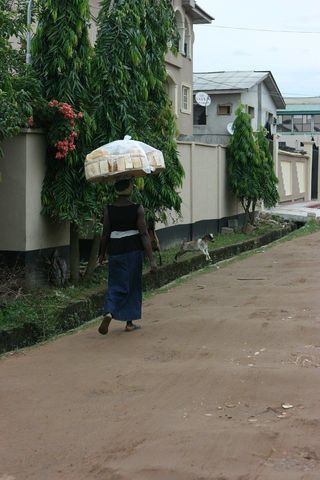
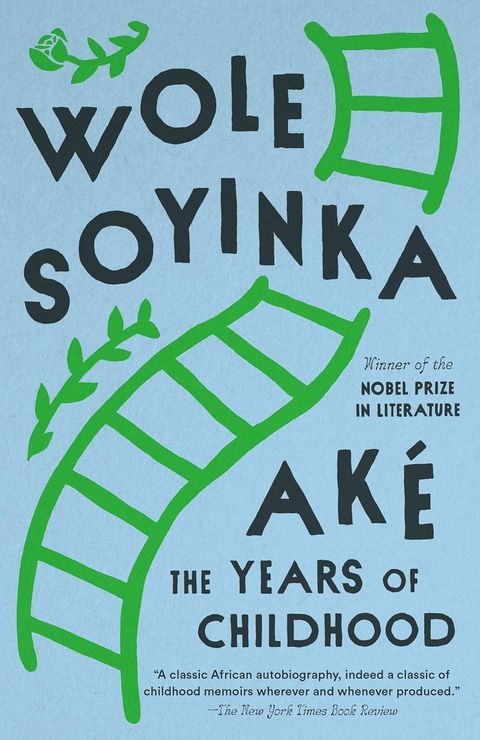
Aké: The Years of Childhood gives us the story of Soyinka's boyhood before and during World War II in a Yoruba village in western Nigeria called Aké. A relentlessly curious child who loved books and getting into trouble, Soyinka grew up on a parsonage compound, raised by Christian parents and by a grandfather who introduced him to Yoruba spiritual traditions. His vivid evocation of the colorful sights, sounds, and aromas of the world that shaped him is both lyrically beautiful and laced with humor and the sheer delight of a child's-eye view. A classic of African autobiography, Aké is also a transcendantly timeless portrait of the mysteries of childhood.
Story
About this book
Wole Soyinka's memoir covers his early years in Aké, a Yoruba community in western Nigeria, during the period leading up to and through World War II. Soyinka, who later became the first African writer to receive the Nobel Prize in Literature, grew up on a parsonage compound where Christian family life overlapped with older Yoruba spiritual practices. His grandfather served as a bridge to those traditions, while his parents maintained close ties to the church and its routines.
The book follows a young Soyinka who was intensely curious, drawn to books, and frequently in trouble. His observations of daily life in Aké carry specific detail about the food, sounds, and atmosphere of the compound and the town around it. Rather than offering a smooth retrospective summary, the memoir stays close to the perspective of the child encountering things for the first time, mixing confusion with clarity and ordinary domestic scenes with larger forces shaping colonial Nigeria.
Soyinka's parents and extended family appear as distinct figures with their own temperaments and loyalties. The tensions between different belief systems and social expectations run through the household without being reduced to simple contrasts.