The Years
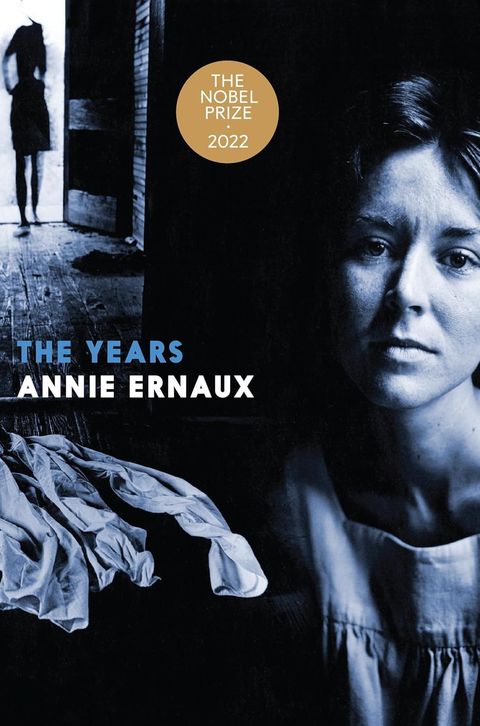
SynopsisPlot
The Years is a personal narrative of the period 1941 to 2006 told through the lens of memory, impressions past and present—even projections into the future—photos, books, songs, radio, television and decades of advertising, headlines, contrasted with intimate conflicts and writing notes from 6 decades of diaries. Local dialect, words of the times, slogans, brands and names for the ever-proliferating objects, are given voice here. The voice we recognize as the author's continually dissolves and re-emerges. Ernaux makes the passage of time palpable. Time itself, inexorable, narrates its own course, consigning all other narrators to anonymity. A new kind of autobiography emerges, at once subjective and impersonal, private and collective.
Story
About this book
Annie Ernaux's The Years covers the period from 1941 to 2006, but it is not a conventional memoir. Rather than narrating her life through a first-person account, Ernaux replaces the singular I with collective pronouns such as we, they, and one. The effect is a book where private experience and shared French life become difficult to separate. Photographs, advertising slogans, pop songs, television programs, brand names, and newspaper headlines sit alongside diary notes and personal observations spanning six decades.
The book draws on the changing texture of everyday language to mark the passage of time. Local dialect, consumer products, and political catchphrases appear as evidence of how each era shaped the people living through it. Ernaux's own voice surfaces and recedes throughout, giving the impression that time itself is doing the telling. The result is a form of autobiography that feels both deeply personal and strangely impersonal at once.
First published in France in 2008, The Years became a bestseller there and marked a departure from Ernaux's earlier, more conventionally structured work. The English translation brought the book to a wider international readership.