The Revolt Of The Angels
SynopsisPlot
At seven o'clock on the evening of that day, having, as usual, replaced all the books which had been taken from their shelves, and having assured himself that he was leaving everything in good order, he quit the library, double-locking the door after him. According to his usual habit, he dined at the Crèmerie des Quatre Évêques, read his newspaper, La Croix, and at ten o'clock went home to his little house in the Rue du Regard. The good man had no trouble and no presentiment of evil; his sleep was peaceful.
Story
About this book
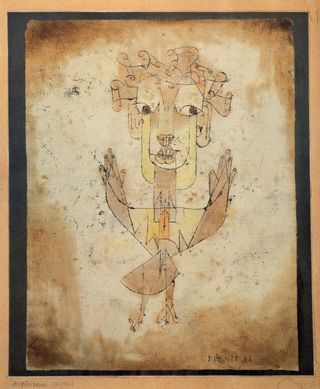
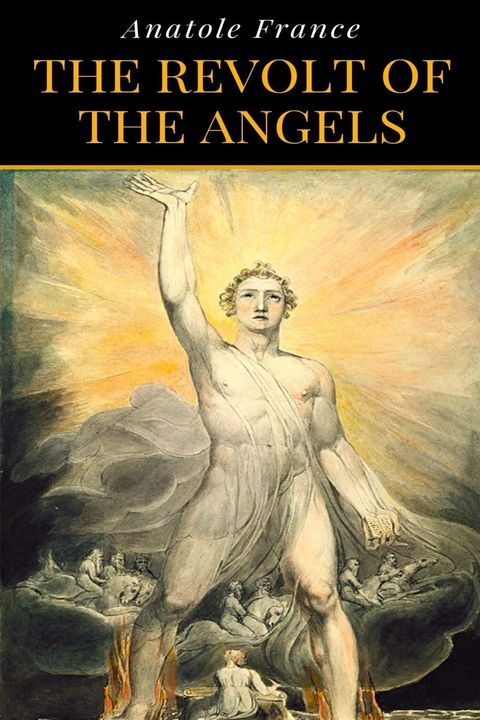
The Revolt of the Angels, published in 1914, is a satirical novel by Anatole France, who received the Nobel Prize in Literature in 1921. It begins in a private library in Paris, where a careful librarian notices that books are being displaced from their shelves overnight. The disturbance is the work of Arcade, a guardian angel who has read his way through the library and lost faith in the order he serves.
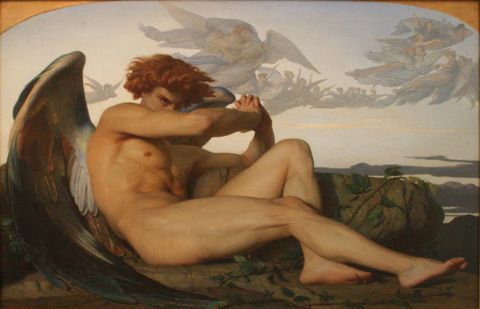
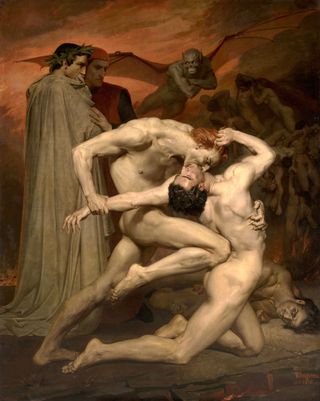
Arcade is not alone. Across Paris, other angels have also questioned heaven's authority and begun living among humans. They form a conspiracy to overthrow God, recalling the older rebellion of Lucifer but arguing in modern terms drawn from history, theology, and politics. Their plans and debates unfold in early twentieth-century Parisian society.
France uses the premise to examine power, obedience, and the nature of authority. The tone is comic and philosophical rather than dramatic, with long stretches of discussion set beside scenes of ordinary city life. The novel appeared shortly before the First World War, during a period of sharp intellectual skepticism in French letters.