The Elegance of the Hedgehog

SynopsisPlot
In an elegant hôtel particulier in Paris, Renée, the concierge, is all but invisible―short, plump, middle-aged, with bunions on her feet and an addiction to television soaps. Her only genuine attachment is to her cat, Leo. In short, she’s everything society expects from a concierge at a bourgeois building in an upscale neighborhood. But Renée has a secret: she furtively, ferociously devours art, philosophy, music, and Japanese culture.
Story
About this book
In an upscale Parisian apartment building known as a hôtel particulier (a grand private townhouse), the concierge Renée appears to fit every stereotype her wealthy residents expect. She is short, middle-aged, and plain, spending her visible hours watching television soaps and tending to her cat, Leo. What the building's occupants do not suspect is that Renée is a passionate, self-educated student of art, philosophy, music, and Japanese culture, all of which she pursues in private with fierce dedication.
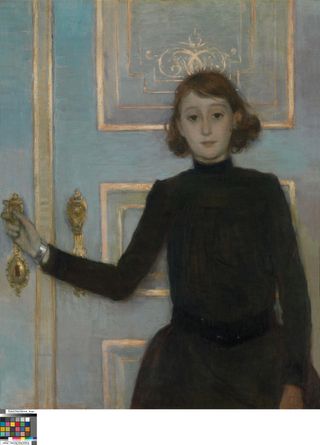
The novel pairs Renée's hidden intellectual life with a second narrator, Paloma, a gifted twelve-year-old girl living in the same building. Paloma, daughter of a prominent family, records her own sharp observations about the adults around her and the social codes that govern their world. The two characters circle each other without quite connecting at first, separated by age, class, and the assumptions that fill the building's hallways.
Muriel Barbery sets the story almost entirely within this single address, using the confined space to examine how people sort one another by appearance, occupation, and social standing. The book became a bestseller in France before reaching English-language readers, and it appeared on the New York Times bestseller list.