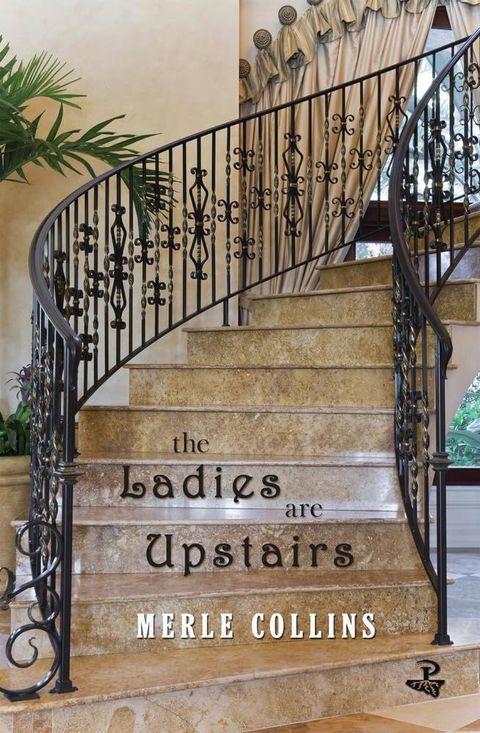
The Ladies Are Upstairs
SynopsisPlot
Doux Thibaut negotiates a hard life on the Caribbean island of Paz, confronting the shame of poverty and illegitimacy, the hazards of sectarianism on an island segregated into Catholics and Protestants, and the injustices of racism and classism. As an old lady moving between the homes of her children in Boston and New York, Doux wonders whether they and her grandchildren really appreciate what her engagement with life has taught her. In The Ladies Are Upstairs, Merle Collins has created a mosaic novel from these stories of a Caribbean woman’s life, demanding that such lives not be forgotten.
Story
About this book
The Ladies Are Upstairs follows Doux Thibaut across decades of life on Paz, a Caribbean island shaped by rigid social divisions. Beginning in the 1930s, Doux faces poverty, the stigma of illegitimacy, and a community split along religious lines between Catholics and Protestants. Racism and class barriers press against her daily choices, yet she finds ways to persist with quiet determination.
Merle Collins structures the book as a mosaic novel, a form built from linked stories that together compose a larger narrative arc. As Doux ages and moves between her grown children's homes in Boston and New York, the setting shifts from island life to diaspora routines. In these later sections Doux wonders whether her children and grandchildren understand the struggles that came before them, or whether such experience must be learned anew by each generation.
Collins is a writer from Grenada whose work often centers on Caribbean history, migration, and everyday survival. The novel spans from the 1930s into the early years of a new century, tracing one woman's passage through overlapping pressures of faith, class, race, and family expectation. Doux's story is set down as a demand that lives like hers are not forgotten.