The Princesse de Clèves
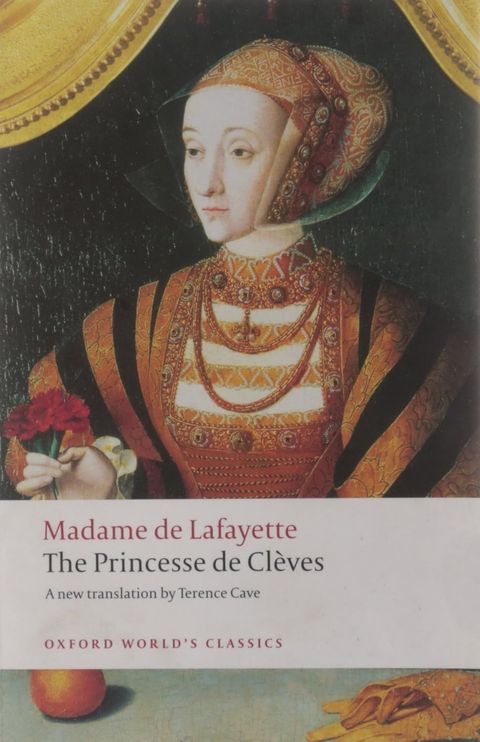
SynopsisPlot
Poised between the fading world of chivalric romance and a new psychological realism, Madame de Lafayette's novel of passion and self-deception marks a turning point in the history of the novel. When it first appeared anonymously in 1678--in the heyday of French classicism--it aroused fierce controversy among critics and readers, particularly for the extraordinary confession which forms the climax of the story. It is now regarded as a landmark in the history of women's writing.
Story
About this book
Madame de Lafayette published The Princesse de Clèves anonymously in 1678, during the height of French classicism. Set in the royal court of 16th-century France, the novel follows a young married woman who finds herself drawn to a man who is not her husband. The story unfolds against a backdrop of courtly manners, political alliances, and social performance, where every glance and conversation carries risk. What distinguishes the book from earlier French romance fiction is its sustained attention to the inner life of its central character, her efforts at self-understanding, and her struggle between desire and moral principle.
The novel caused sharp debate when it first appeared, particularly over a pivotal scene in which the heroine makes an extraordinary confession. Critics and readers at the time argued about whether such a moment was believable or appropriate. That controversy points to something the book was doing differently: replacing the external adventures of older chivalric tales with a close study of emotion, hesitation, and self-deception.
Lafayette's work is now widely considered a turning point in the development of the European novel and an early landmark in women's writing. It sits at a boundary between two literary traditions, looking back toward courtly romance while opening a path toward psychological fiction.