Hadriana in All My Dreams
SynopsisPlot
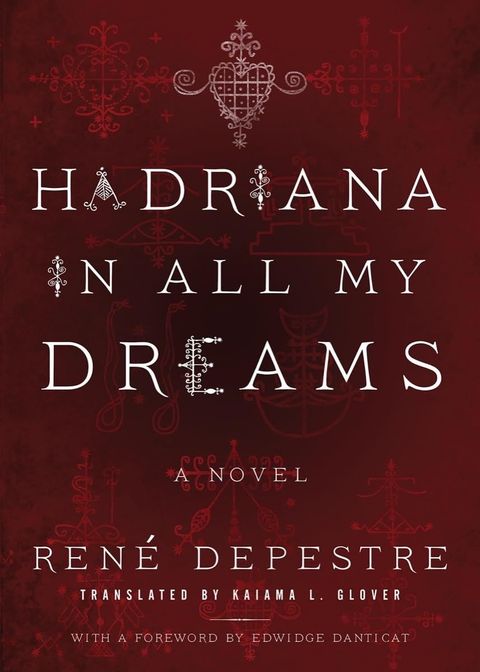
A beautiful young French woman, Hadriana, is about to marry a Haitian boy from a prominent family. But on the morning of the wedding, Hadriana drinks a mysterious potion and collapses at the altar. Transformed into a zombie, her wedding becomes her funeral. She is buried by the town, revived by an evil sorcerer, then disappears into popular legend. Set against a backdrop of magic and eroticism, and recounted with delirious humor, the novel raises universal questions about race and sexuality. The reader comes away enchanted by the marvelous reality of Haiti’s Vodou culture and convinced of Depestre’s lusty claim that all beings―even the undead ones―have a right to happiness and true love.
Story
About this book
The story opens during Carnival in 1938 in Jacmel, a coastal town in southern Haiti. Hadriana, a young French woman, is preparing to marry a Haitian man from a well-known local family. On the morning of the ceremony, she drinks a mysterious potion and collapses at the altar. The town buries her, and the celebration turns into mourning.
A sorcerer later revives her as a zombie, and she passes out of ordinary life into popular legend. Depestre tells this with comic energy rather than dread, placing the events inside Carnival, when masks and disguise already unsettle the border between the living and the dead. Vodou belief, desire, and the racial distance between French and Haitian characters run through the whole account.
René Depestre, a Haitian writer who spent much of his life abroad, received the Prix Renaudot, a French literary award, for this novel. Zombification here works less as horror than as a question about who controls a person's body and name. Jacmel, the setting, is a real port on Haiti's southern coast known for its Carnival and its old ironwork architecture.